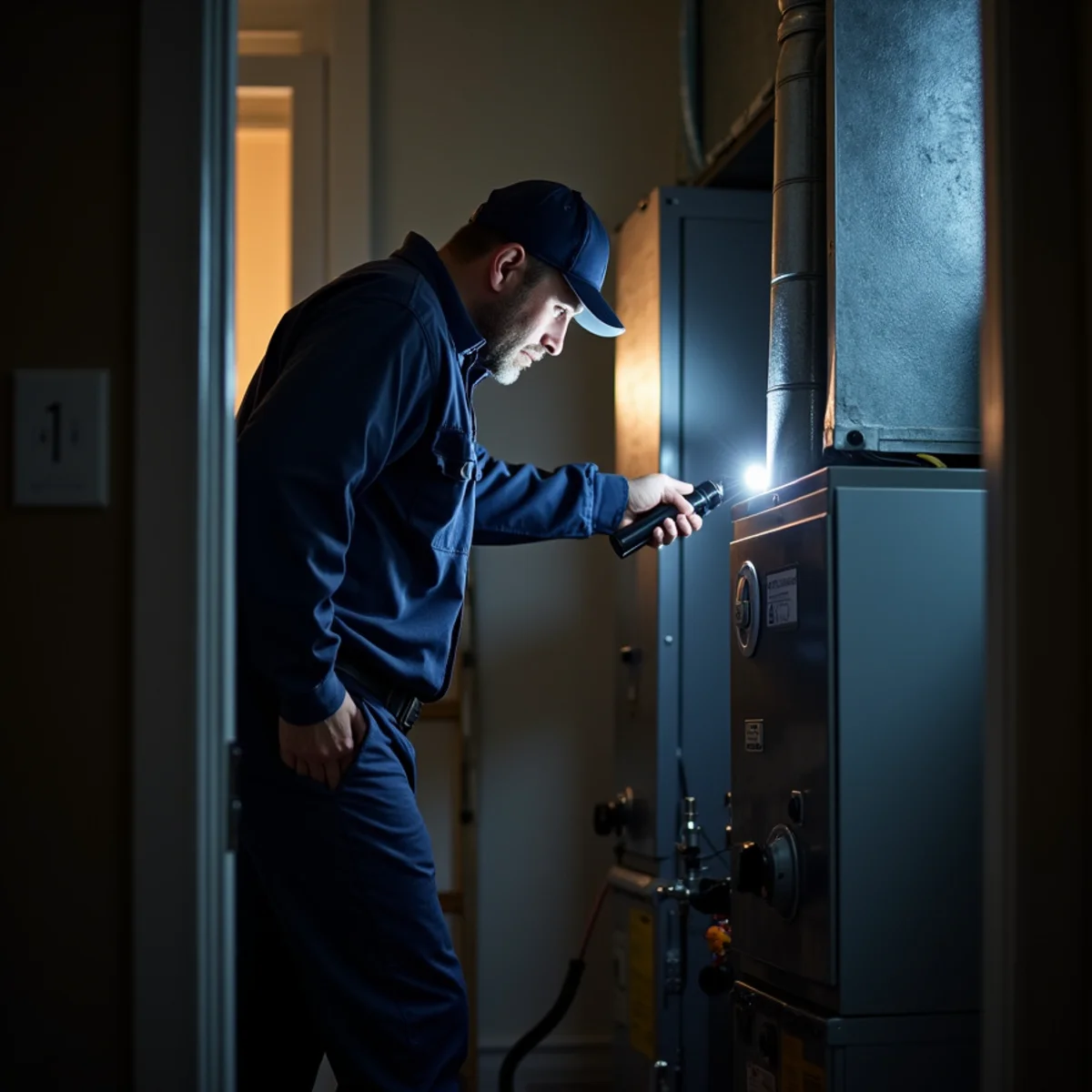
If your furnace, heat pump or air conditioner has failed and the house is getting dangerously cold or hot, call (321) 478-0693 now for emergency HVAC repair in Lynnwood, WA: a live person answers 24 hours a day, including nights, weekends and holidays. If you smell gas or a carbon monoxide alarm is sounding, do not call us first. Get everyone out of the house, then call 911 and Puget Sound Energy at 1-888-225-5773 from outside.
Alderwood Heat & Cool Pros takes emergency heating and cooling calls across Lynnwood, Alderwood Manor, North Lynnwood, Martha Lake and Meadowdale, and dispatches the nearest available independent, L&I-registered HVAC contractor. Arrival depends on weather, traffic and call volume, so we give you a realistic window when you call, and you hear the price before any work starts.
What counts as an HVAC emergency
With a 1979 median build year, many Lynnwood furnaces are on their second or third unit, and they tend to fail in the first cold weeks and during cold snaps. Call right away when:
- You smell gas or a carbon monoxide alarm sounds (leave first; see below)
- There is no heat and it is near freezing outside, or the house is falling toward the 50s
- There is no cooling in a heat wave and someone at home is elderly, very young, pregnant or ill
- Water is pouring onto ceilings, floors or wiring
- You smell burning, see scorch marks, or a breaker trips again after one reset
A noisy blower that still heats, or a heat pump that frosts up and clears itself, which is often normal heat pump defrost in winter, can usually wait for daytime. Not sure? Call and describe what is happening.
Gas smell or carbon monoxide alarm: leave the house, then call 911 and Puget Sound Energy first
A rotten-egg smell, hissing near the gas meter or furnace, or a carbon monoxide alarm is a safety emergency first. Do not hunt for the leak, flip switches, touch the thermostat or start a car in an attached garage. Get everyone, pets included, out of the house and away from it.
From outside, call 911 and Puget Sound Energy's gas emergency line at 1-888-225-5773. Call us at (321) 478-0693 only after the fire department or PSE has cleared the home. Carbon monoxide has no smell, so headaches or nausea that ease outdoors are a warning even without an alarm. Afterward, the technician checks for causes such as a cracked heat exchanger or blocked flue.
No heat in a cold snap: what to check and how to stay warm until help arrives
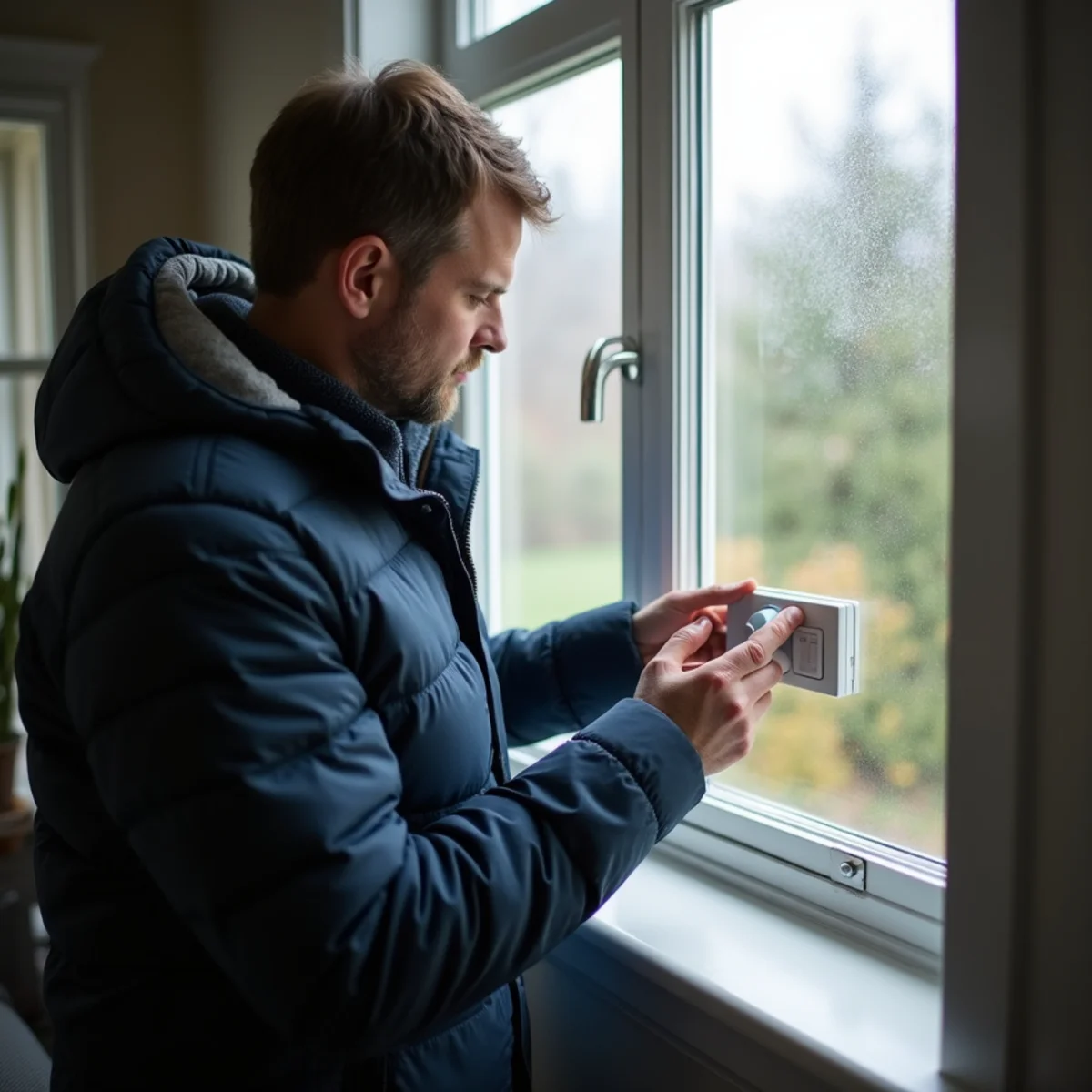
Lynnwood winters are mostly wet rather than frigid, but cold snaps with lows in the teens or twenties are exactly when worn equipment quits. Until help arrives:
- Gather in one room with the doors closed, blankets and layers
- Plug space heaters straight into a wall outlet, never an extension cord, keep three feet clear around them, and switch them off when you sleep or leave the room
- Never heat with a gas oven, grill, camp stove or generator indoors or in a garage
- Let faucets on exterior walls drip, open sink cabinets, and know where the main water shutoff is
- Bring pets in and check on neighbors who live alone
Quick checks: thermostat on heat with good batteries, furnace service switch on, breaker not tripped, filter not clogged. Our furnace-not-working checklist walks through them. If a heat pump is buried in ice that never clears, switch to emergency heat if your thermostat has it. The work is the same as our furnace repair and heat pump repair services, at a harder hour.
No cooling in a heat wave: protecting children, older adults and pets
Many Lynnwood homes still have no AC, and the June 2021 heat dome, when 109 degrees was recorded locally, showed how fast an upstairs bedroom turns dangerous. If cooling fails in extreme heat:
- Move infants, older adults and anyone with heart, lung or kidney conditions to the coolest, lowest room, and keep them drinking water
- Close blinds on sunny windows, and open windows only when it is cooler outside
- Fans help, but in the high 90s a fan alone will not prevent heat illness
- Keep pets inside with water and shade
- Check Snohomish County's current cooling-center list if the house cannot be kept safe, and call 911 for confusion, fainting or other signs of heat stroke
Call early in the day; heat waves bring the busiest repair days of the year. Common culprits are covered on our AC repair page.
How 24/7 dispatch works: live answer, nearest contractor, price before work
A live person answers (321) 478-0693 at any hour and asks about gas smells and alarms first, then your address, the symptoms, and who at home is vulnerable to cold or heat. We reach the nearest available contractor and give you a realistic arrival window; weather, traffic on I-5 and 196th St SW, and call volume decide it, so we do not promise minutes. The technician diagnoses the problem and gives you the price before any work starts; you can approve, ask for a temporary fix, or decline.
We cover our full service area around Lynnwood, including after-hours heating calls in Edmonds, no-heat calls in Mountlake Terrace and emergency HVAC repair in Bothell.
What's included in an emergency HVAC visit
An emergency call has one goal first: make the house safe and get heat or cooling back. Then comes the permanent fix. A night or weekend visit from a contractor we send should include:
- Making it safe: power isolated, water stopped, and gas appliances checked for venting and carbon monoxide before anything is restarted
- Diagnosis of the actual fault, not a guess at the most expensive part
- The price before work starts, including any after-hours rate
- A repair on the spot when the part is on the truck, which covers most igniters, flame sensors, capacitors, contactors, fuses and drain clogs
- A safe temporary measure when it isn't, such as running a heat pump on emergency heat or bypassing a failed accessory, with the permanent repair scheduled
- A test cycle, and a plain explanation of what failed and what to watch overnight
Nights, weekends and holidays: how after-hours pricing works
Night, weekend and holiday rates may differ from weekday rates. The contractor sets them, and you hear what applies before any work starts. Worth asking:
- Is there a trip or diagnostic charge, and does it count toward the repair?
- When does the after-hours rate end?
- What temporary fix is safe if the full repair has to wait?
If the problem can safely wait, we will say so, and you can book a weekday visit instead.
Renting in Lynnwood? Who calls for an emergency repair
About half of Lynnwood households rent, and a no-heat night in an apartment off Highway 99 or a rented split-level raises a different first question: who calls the contractor? In most rentals it is the landlord or property manager. Washington's Residential Landlord-Tenant Act (RCW 59.18.070) generally gives a landlord 24 hours after written notice to start fixing a loss of heat, hot water or electricity. Send that notice in writing, by text or email as well as by phone, and keep a copy.
If the landlord or manager authorizes it, we can send a contractor straight away; tell us the property manager's name and how the job is approved. Condo owners usually own their own furnace or ductless system but may need the association's say for anything that touches outdoor walls or common areas. None of this is legal advice, but it saves time on a cold night. Either way, the safety steps above come first, and you can see 8 checks to make before you call for furnace repair while you wait.
After a windstorm or power outage: restarting a furnace or heat pump safely
Windstorms regularly bring trees down on Snohomish PUD lines; check the PUD's outage map for updates (the south end of Bothell is on Puget Sound Energy). Most systems restart on their own when power returns. If yours does not:
- Check the thermostat; smart models can reboot to off or lose their schedule
- Reset a tripped breaker once; if it trips again, leave it off and call
- Confirm the furnace service switch is on and the access door is seated on its safety switch
- Give a heat pump a few minutes, since many delay the compressor restart after an outage
- After a long outage in cold weather, some manufacturers advise leaving the outdoor unit powered with the thermostat off so the crankcase heater can warm the compressor; check your owner's manual
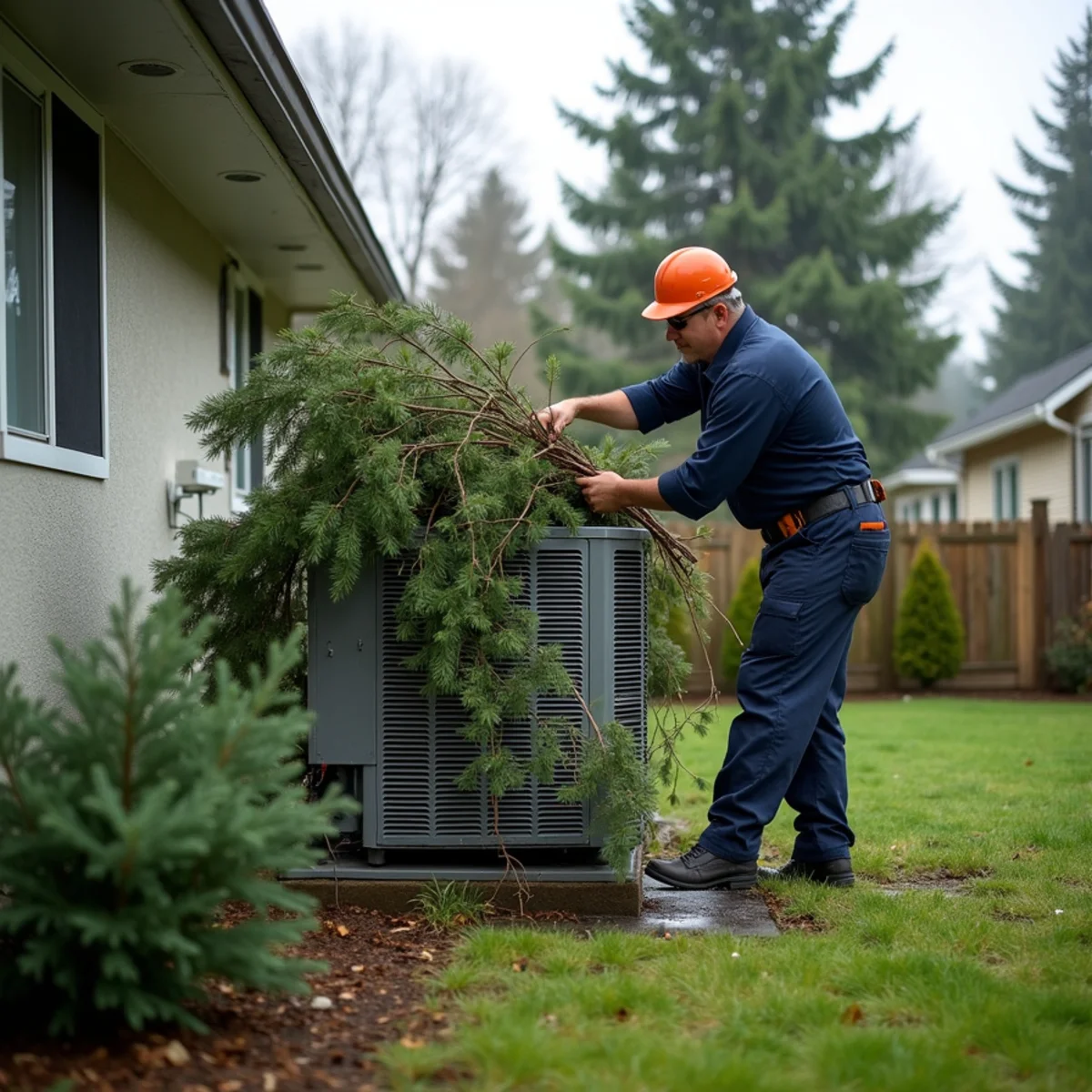
- Clear branches and debris from the outdoor unit
- Run a generator outdoors only, at least 20 feet from doors, windows and vents
Still not running, grinding or flashing a fault code? Call us; grid surges can damage boards and capacitors. If you smell gas, leave first and call 911 and Puget Sound Energy at 1-888-225-5773 from outside.
The Emergency HVAC Repair process, step by step
Here is how an emergency call works, from the first ring.
- 1
Live answer and safety check
A person answers 24/7, asks about gas smells and alarms first, then takes your address, symptoms and who is at risk.
- 2
Nearest available contractor
We reach the closest available L&I-registered contractor and give you a realistic arrival window.
- 3
Diagnosis and price before work
The technician finds the fault and quotes the price, including any after-hours rate, before any work starts.
- 4
Repair or make safe
The repair is made if parts allow, or the system is made safe with a plan to finish during regular hours.
Why choose Alderwood Heat & Cool Pros for Emergency HVAC Repair
In an emergency you need a person, a plan and no surprises:
A live person, any hour
Calls answered 24/7, including holidays, by someone who asks the safety questions first.
Nearest available contractor
An honest arrival window instead of a promise nobody can keep.
Price before work starts
You hear the cost, including any after-hours rate, before a part is replaced.
Registered and insured contractors
Every HVAC contractor we send is registered with Washington L&I, licensed where Washington requires it, and insured.
24/7 Emergency HVAC Repair around Lynnwood
We cover all of Lynnwood, including Alderwood Manor, Martha Lake, North Lynnwood, Meadowdale and City Center, plus Brier and the five cities within about 25 minutes. Edmonds and Mountlake Terrace are next door; Bothell, Mill Creek and Mukilteo are the outer ring. See the full list of HVAC service areas around Lynnwood, or go straight to your city:
Frequently asked questions
Are you really available 24 hours a day?
Yes. A live person answers (321) 478-0693 24 hours a day, seven days a week, including holidays, and we dispatch the nearest available independent contractor for urgent heating and cooling problems. During a regional cold snap or the first days of a heat wave, every HVAC company gets busy at once, so we tell you honestly what the wait looks like.
How quickly can a technician arrive?
It depends on your location, the hour, roads, weather and how many emergencies are ahead of yours. We dispatch the nearest available contractor, give you a realistic arrival window when you call, and update you if it changes. We also tell the contractor when someone at home is very young, elderly or medically fragile. We do not quote a fixed number of minutes, because on the worst nights of the year nobody honestly can.
Does emergency service cost more at night or on a holiday?
It can. Many contractors charge different rates for nights, weekends and holidays, and the contractor sets them. What we promise is that you hear the price, including any after-hours charge, before any work starts. Then you can approve the repair, ask about a temporary fix, or wait for a regular-hours visit if the house is safe to stay in until then.
My furnace stopped after a power outage. What should I try first?
Check the thermostat first: power, heat mode and schedule. Then check the furnace breaker, the service switch near the furnace, and that the access door is firmly seated. If the furnace tries to light and fails, switch its power off for a minute and back on, once. If it still will not run, call us. If you smell gas, leave the house and call 911 and Puget Sound Energy at 1-888-225-5773 from outside.
What should I do if water is leaking from my furnace or air handler at night?
Turn the system off at the thermostat, and if water is near wiring, switch off the furnace service switch or breaker. Put down towels or a pan, and keep people away from any sagging ceiling under an attic air handler. The usual causes are a clogged condensate drain, a failed condensate pump or a frozen coil that is melting. Call us so a technician can clear it and find out why it backed up.
Still have a question, or need help right now?