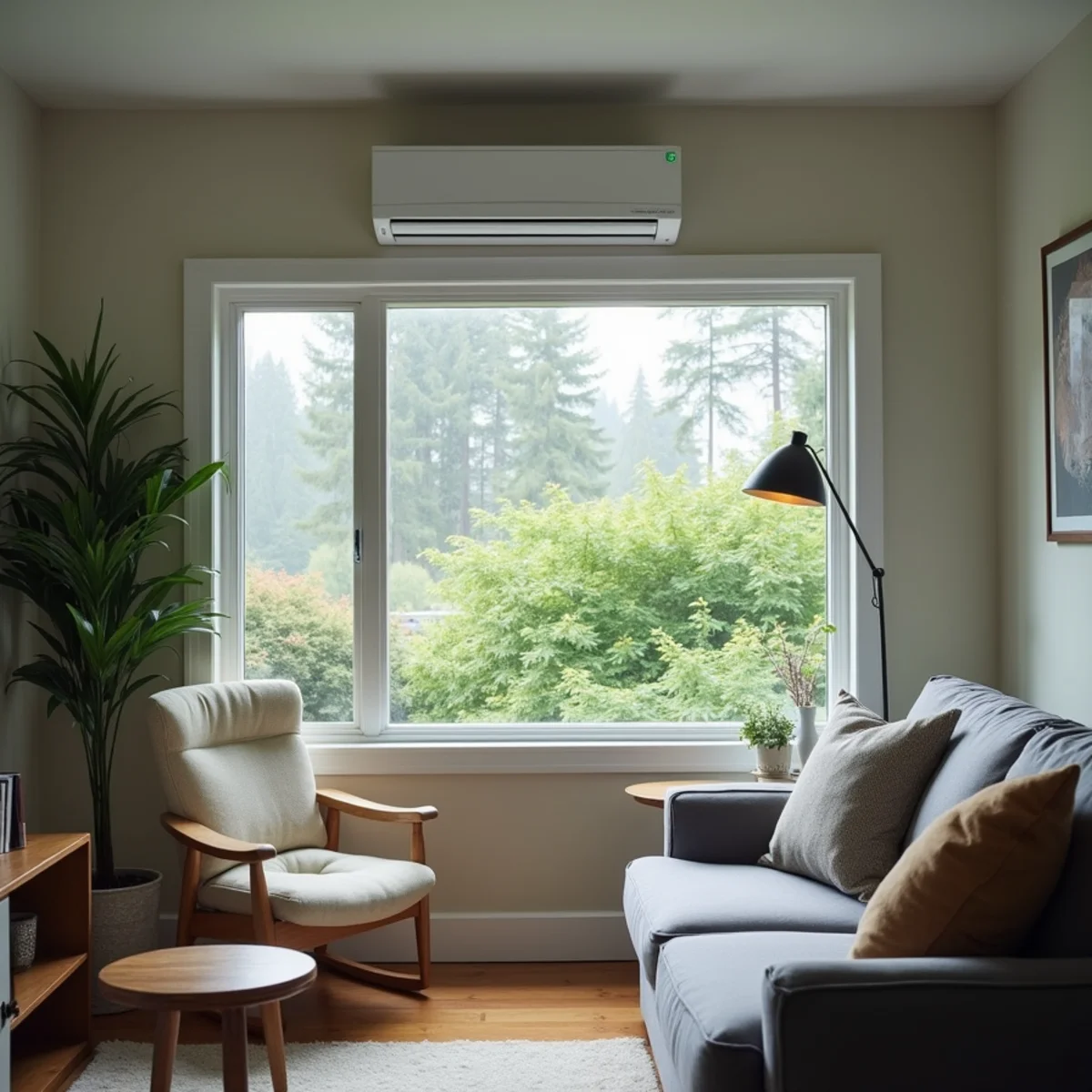
For ductless mini-split installation and repair in Lynnwood, WA, call (321) 478-0693: an L&I-registered, insured contractor sizes and places each indoor head, runs the line set and drain cleanly, and gives you the price before work starts. Ductless heat pumps are the practical way to heat and cool condos, additions and baseboard-heated homes that have no ductwork.
Close to half of Lynnwood households rent, and many live in condos, apartments and townhomes along Highway 99, around City Center and near the light rail station. A lot of those homes heat with baseboard or wall heaters and have no ductwork, and plenty of houses in Alderwood Manor and Meadowdale have an addition or bonus room the furnace never reached. A ductless mini-split is often the only practical way to cool spaces like these, and it heats far more efficiently than electric resistance.
Alderwood Heat & Cool Pros connects homeowners, condo owners and landlords with independent, L&I-registered HVAC contractors who install, repair and deep-clean ductless heat pumps. You get a price before any work starts. Call (321) 478-0693 any time to talk through your space.
What a ductless heat pump is and where it fits
A ductless mini-split is a heat pump in two parts: an outdoor unit and one or more indoor heads, joined by a refrigerant line set, a control cable and a condensate drain through a hole about three inches across. Each head heats or cools its own room, and inverter compressors run at low speed for long stretches, which keeps rooms even and quiet.
Heads come as wall units, ceiling cassettes, floor consoles or slim ducted units hidden in a closet. Ductless fits where ducts are missing: baseboard-heated condos, additions, hot upstairs bedrooms and converted garages. If the house already has sound ductwork, compare it with a ducted heat pump or central air installation.
Replacing baseboard and wall heaters in Lynnwood homes and condos
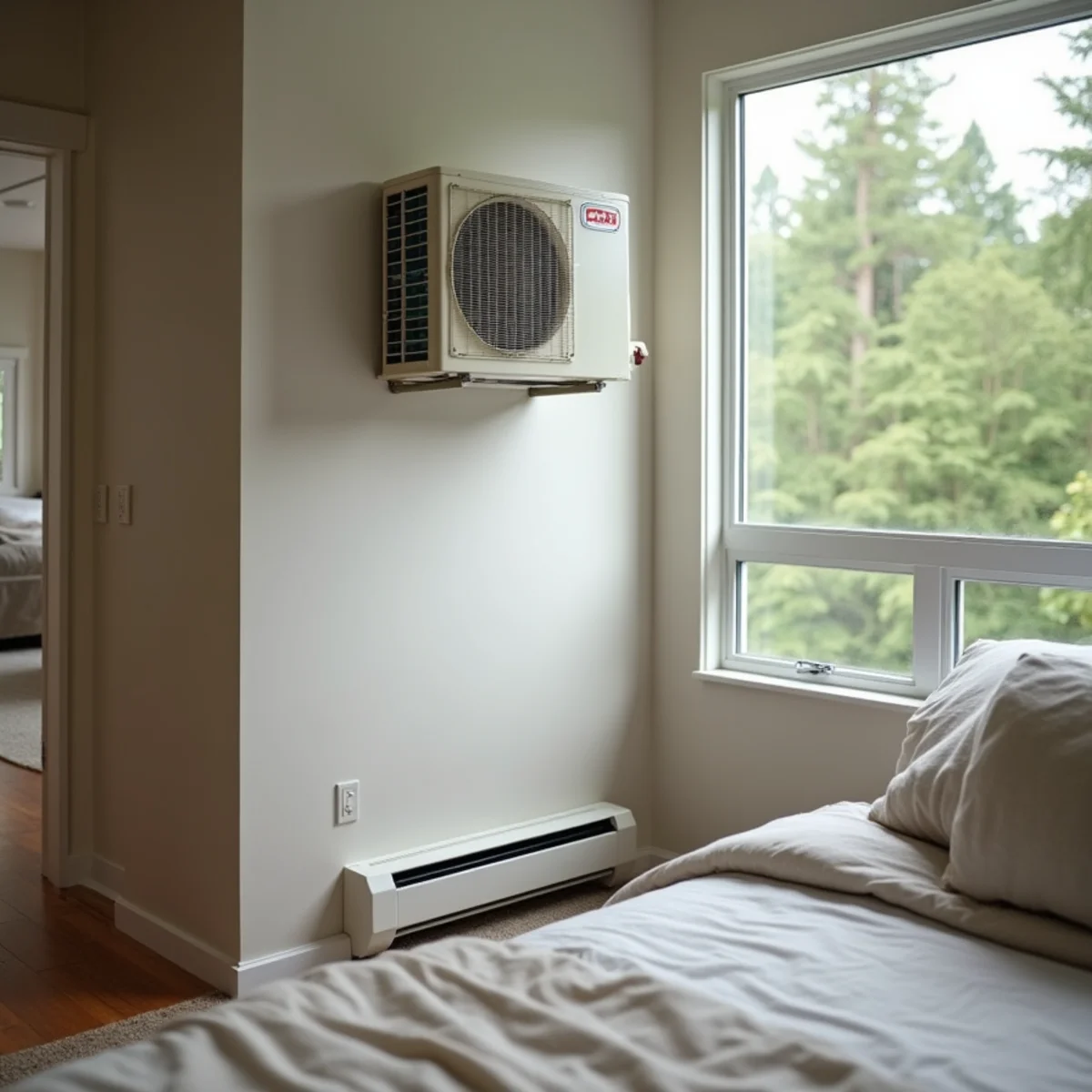
Baseboard and wall heaters turn one unit of electricity into one unit of heat. A ductless heat pump moves heat from outdoors instead, delivering several times as much in the mild, damp weather of Lynnwood's October-to-May heating season, and that shows on Snohomish PUD bills. It also cools in summer, which baseboards never could.
In condos and apartments along Highway 99 and around City Center, one head in the main living area often changes how the whole unit feels; an all-electric 1970s rambler usually needs two to four. Most owners keep a few baseboards for bathrooms and backup. Renters need the landlord to approve and arrange the work.
We take ductless calls across our service areas around Lynnwood, including small postwar houses in Mountlake Terrace and older Edmonds homes built without cooling.
Ductless vs window units, portable ACs and central air
Most people looking at a mini-split in Lynnwood are comparing it with something cheaper or something bigger. Here is how the options stack up for a home without ducts:
| Option | Heats too? | Noise and looks | Best fit |
|---|---|---|---|
| Ductless mini-split | Yes, efficiently, as a heat pump | Quiet indoor head high on the wall; small outdoor unit | Baseboard-heated homes, condos, additions, upstairs bedrooms |
| Window AC | No | Loud, blocks the window, often not allowed by condo rules | A single room for a few hot weeks |
| Portable AC | No | Loudest option; the exhaust hose leaks heat back in | Renters who cannot mount anything |
| Central AC added to a furnace | No (the furnace still heats) | Quiet, invisible indoors | Homes that already have good ductwork |
Single-zone vs multi-zone systems
A single-zone system pairs one outdoor unit with one head: the simplest, most efficient and easiest to service. A multi-zone mini split runs two to five heads from one outdoor unit, saving space on a small patio or a narrow townhome side yard. To decide, ask:
- How many rooms truly need their own control?
- Does the HOA allow more than one outdoor unit?
- Would a slim ducted unit serve several small bedrooms better than separate heads?
On a multi-zone system, one outdoor failure takes every room down, and small bedroom heads can run less efficiently, so two single-zone systems sometimes win. Each head should be sized to its room; an oversized head short cycles and leaves summer air clammy.
Installation: line sets, condensate drains, outdoor unit placement and HOA rules
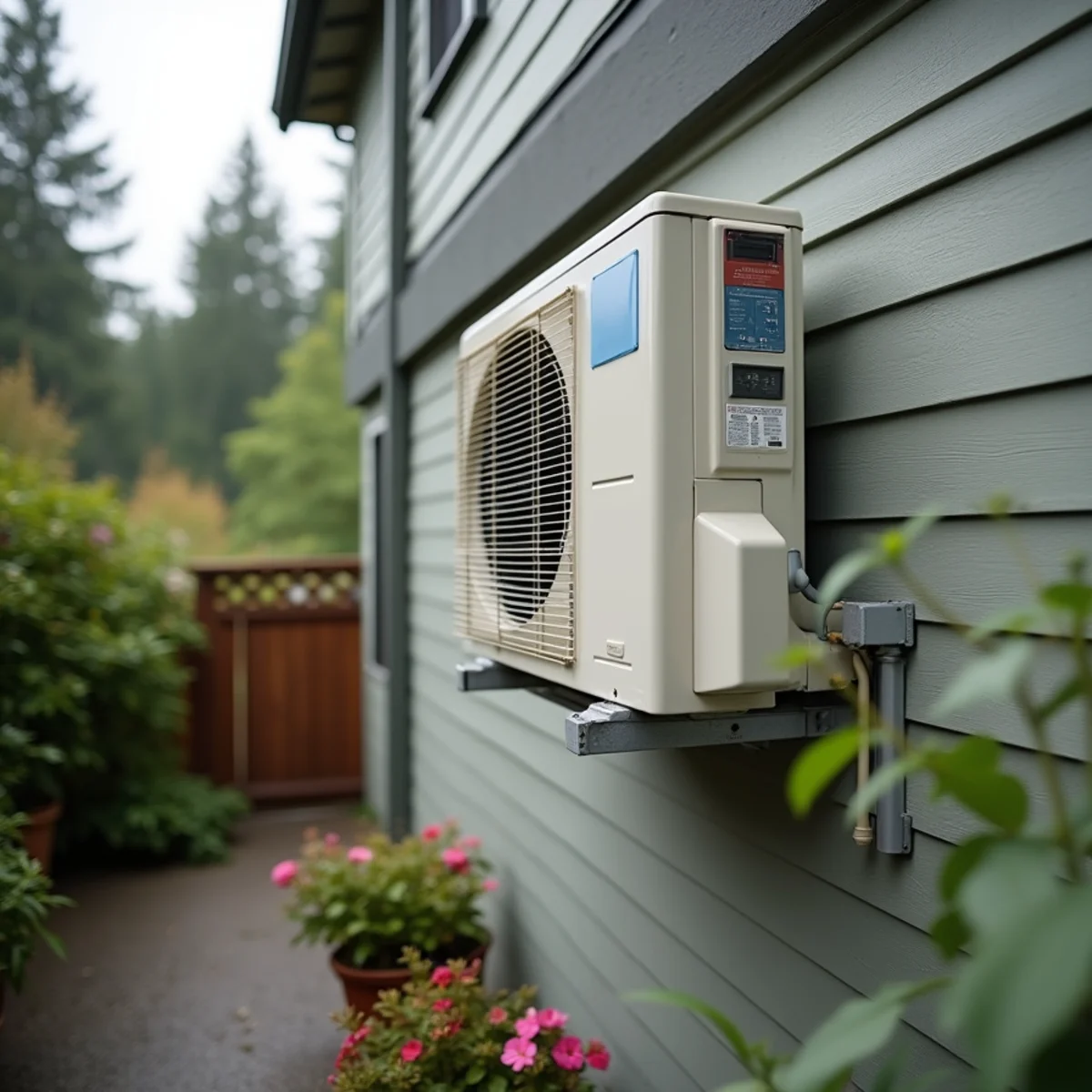
The copper line set should be short and clean, with flare connections made carefully, pressure tested and evacuated before refrigerant is released, because poor flares cause many later leaks. Outside, it belongs in a sealed, UV-rated cover. Each head drains condensate in cooling mode, ideally downhill to the outside; heads on interior walls need a condensate pump, a common failure point. In winter the outdoor unit drips defrost water that can freeze on a patio.
Outdoor unit placement on condo patios and balconies needs airflow clearance, a solid bracket or stand above standing water, and a spot away from a neighbor's bedroom. In Lynnwood condo complexes and the newer townhomes near the light rail station, the HOA or condo association usually must approve wall penetrations and the unit location, sometimes with rules on cover colors, so get it in writing first. Mechanical and electrical permits are typically required; the installing contractor usually pulls them, but confirm who does.
What's included in a ductless installation in Lynnwood
A clean mini-split job is mostly in the details you cannot see after the installer leaves. A ductless installation should include:
- A room-by-room sizing check, so each head matches the room it serves instead of one oversized unit short-cycling
- Indoor head placement high on an outside wall where the air can reach the room, with the wall sleeve sealed
- Line set, drain and communication wire run through one small penetration, covered outside with a line-set cover
- A condensate drain that falls the right way, or a small pump where gravity cannot do it
- The outdoor unit on a wall bracket or stand above snow and splash height, with clearance for airflow
- A dedicated circuit and disconnect installed by a properly certified electrician, plus the required permits
- Vacuum and leak test of the line set, then commissioning in heat and cool mode
- A walk-through of the remote or wall controller and how to clean the filters
Ductless repair and deep cleaning: leaks, drain clogs and dirty blower wheels
Common mini split repair calls include a head blinking an error code, water running down the wall from a clogged drain or failed pump, ice that will not clear in defrost, weak output from a slow flare leak, and boards or fan motors damaged by surges after windstorm outages.
Then there is the musty smell. In a damp marine climate, the barrel-shaped blower wheel behind the louvers can grow a black film of mold and dust; the signs are a sour odor at startup, black specks and weak airflow. Rinsing the filters does not reach it. A deep cleaning bags the head and flushes the coil, blower wheel and drain pan. For ducted equipment, see heat pump repair; for a failure on a freezing night, call our 24/7 emergency HVAC repair line.
Snohomish PUD rebates for electrically heated homes
Snohomish County PUD has offered ductless heat pump rebates for homes heated mainly by electricity: baseboards, wall heaters or an electric furnace. Rules and amounts change, and a PUD-participating contractor is generally required. The contractor we refer may or may not be one, so ask before you sign, and check Snohomish PUD's heating rebate page for current terms.
Gas-heated homes, and homes in the King County end of Bothell where Puget Sound Energy supplies the electricity, should check Puget Sound Energy's rebates page instead. Our Snohomish County heat pump rebate guide and our post on adding AC to an older home go further.
What affects ductless system cost
We do not quote prices online. What moves a ductless quote:
- The number of zones and the head styles
- Capacity, efficiency and whether the model is rated for cold climates
- Line set length and routing, especially through finished walls
- A gravity drain versus a condensate pump
- Mounting: ground pad, wall bracket or balcony stand
- A new 240-volt circuit and available panel space
- Permits, HOA requirements and rebate eligibility
Repairs and cleanings depend on the fault and how easy the head is to reach. Either way, the price comes before work starts.
The Ductless Mini-Splits process, step by step
Ductless work lives or dies on careful details. This is how a typical Lynnwood mini-split job runs.
- 1
Room-by-room walk-through
The installer checks each space, its heating and cooling load, drain routes, the panel and possible outdoor unit spots.
- 2
Layout, HOA check and price
You get a written zone layout and price before work starts. Condo owners get association approval before booking.
- 3
Install and pressure test
Heads and the outdoor unit are mounted, line sets flared, pressure tested and evacuated, and drains pitched or pumped.
- 4
Startup and walkthrough
Each zone is run in heating and cooling, and you learn how to clean the filters and when a deep cleaning is due.
Why choose Alderwood Heat & Cool Pros for Ductless Mini-Splits
A mini-split is only as good as its flare fittings, drains and placement. Here is what you get when you call us:
Built for no-duct homes
Focus on the condos, apartments and baseboard-heated houses that make up so much of Lynnwood's housing.
HOA-aware planning
Placement, line set covers and association approval raised before the install date, not after.
Price before work starts
A written price before any work begins, whether it is a new system, a repair or a cleaning.
Registered and insured contractors
Every HVAC contractor we send is registered with Washington L&I, licensed where Washington requires it, and insured.
Ductless Mini-Splits around Lynnwood
We cover all of Lynnwood, including Alderwood Manor, Martha Lake, North Lynnwood, Meadowdale and City Center, plus Brier and the five cities within about 25 minutes. Edmonds and Mountlake Terrace are next door; Bothell, Mill Creek and Mukilteo are the outer ring. See the full list of HVAC service areas around Lynnwood, or go straight to your city:
Frequently asked questions
Can a ductless heat pump heat a whole house in western Washington?
Often, yes, especially in smaller or open-plan homes. Lynnwood winters are mild by heat pump standards, and cold-climate mini-splits keep making useful heat well below freezing. The limit is usually the floor plan: one head cannot push warm air around corners into closed bedrooms. Whole-house ductless usually means a head in each main area or a multi-zone system, with a few baseboards kept for bathrooms and cold snaps.
How many indoor units do I need?
Roughly one for each area with its own walls and door. An open condo living, dining and kitchen space may need just one head, with bedrooms left on baseboard heat. A single-story Lynnwood rambler might need a living-area head plus heads for the bedroom wing, while a split-level often needs one per level. Size each head to its room, and consider a slim ducted unit for two or three small bedrooms.
Does my condo association have to approve a mini-split?
Almost always. A wall penetration, a line set on the building and an outdoor unit on a patio, balcony or common ground count as exterior changes under most condo declarations and HOA rules. Many associations ask for a written request, a site sketch, the equipment model, proof that the contractor is registered and insured, and sometimes a set line set cover color. Get approval in writing before you schedule the install.
How often does a ductless unit need cleaning?
Rinse or vacuum the indoor filters every month or two during heavy use. A professional deep cleaning of the coil, blower wheel and drain pan is worth doing every year or two, or sooner if you notice a musty smell, black specks or weaker airflow. Heads in kitchens, homes with pets or smokers, and units that cool for long stretches each summer need it more often.
Do you repair mini-splits that someone else installed?
Yes. The contractors we send work on ductless systems regardless of who installed them, though parts for some brands take longer to get. Have the indoor and outdoor model numbers and any blinking error code ready when you call, since that speeds up diagnosis. On an older unit with a major refrigerant leak, you hear the repair-or-replace numbers before anything is done.
Still have a question, or need help right now?