HVAC Guide · 7 min read
Adding Air Conditioning to an Older Lynnwood or Edmonds Home: Central AC, Heat Pump or Ductless?
By Alderwood Heat & Cool Pros · Published October 3, 2026
The short answer
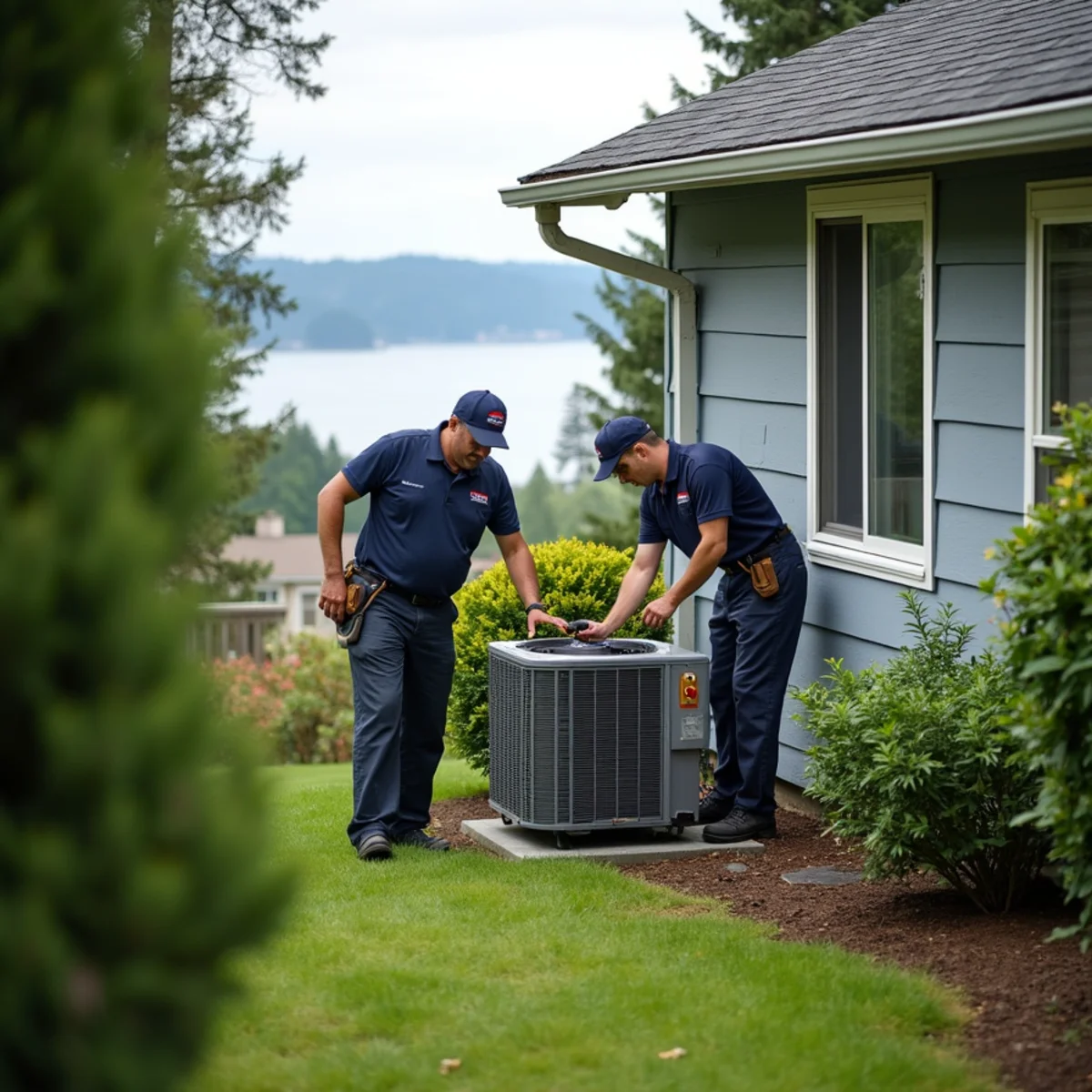
To add air conditioning to an older Lynnwood or Edmonds home with a furnace and ducts, add a central AC coil and condenser, or a ducted heat pump that also heats. Homes on baseboard or wall heat usually do best with ductless mini-splits. Duct condition, the electrical panel and outdoor placement decide the rest.
What older homes around Lynnwood and Edmonds start with
Lynnwood's housing has a median build year of 1979, and Edmonds roughly tripled in population between 1960 and 1990, so the typical house on both sides of Highway 99 is a rambler, split-level or daylight-basement home from the 1960s through the 1980s. Builders here didn't install air conditioning because summers didn't call for it. The heat dome of June 2021, when local stations reported 109°F in Lynnwood, changed a lot of minds.
Those homes fall into two groups. Many have a ducted gas or electric furnace, often on its second or third unit. Many others, especially condos, apartments and smaller postwar houses, heat with electric baseboards or wall heaters and have no ducts at all. Which group yours is in narrows the choice quickly.
Option 1: central AC added to your existing furnace
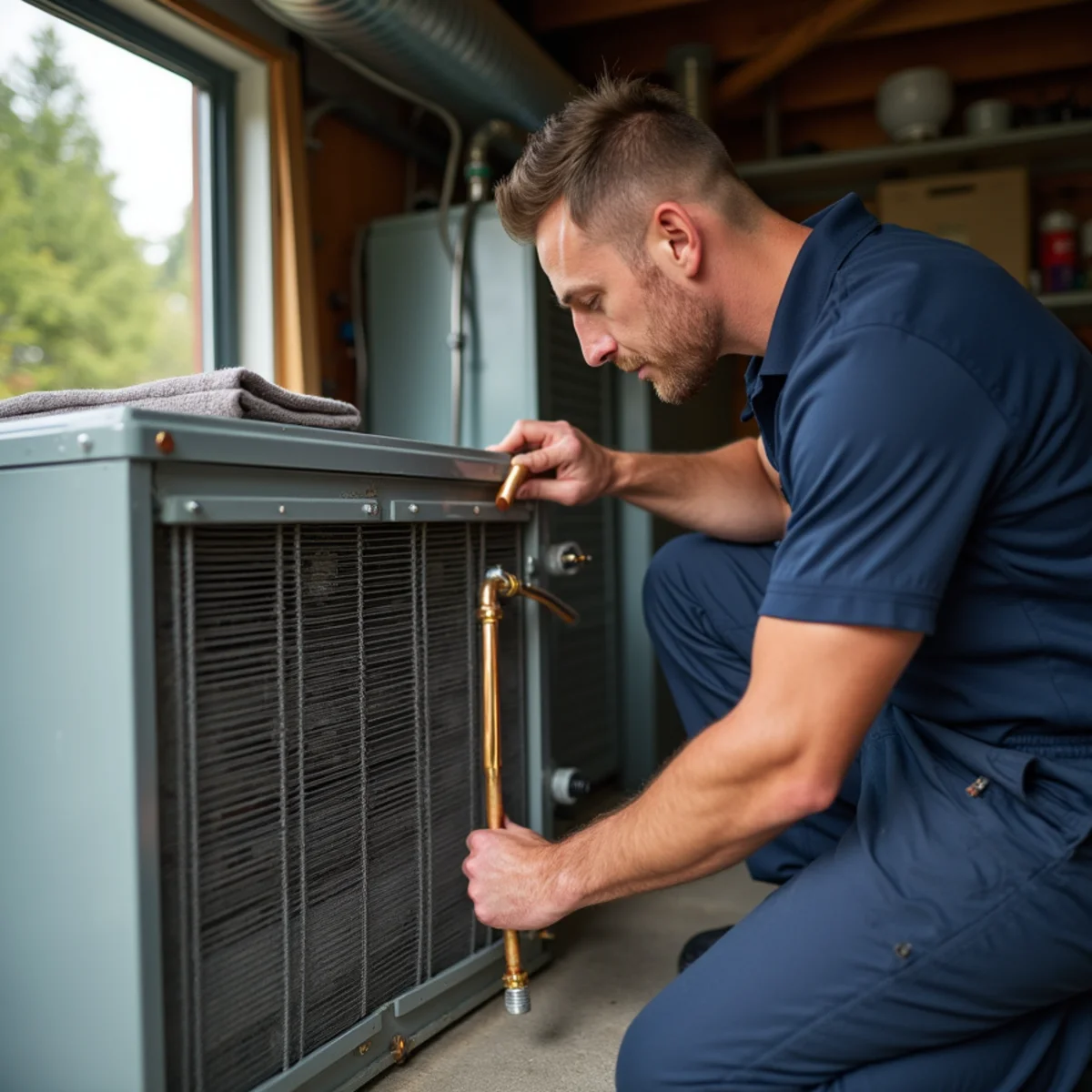
This is the classic add-on. A contractor sets an evaporator coil on the supply side of the furnace, places a condenser outside, connects the two with a copper line set, and runs a condensate drain and a dedicated electrical circuit. Your furnace blower then moves cooled air through the same ducts.
Three things have to check out first. The coil has to physically fit above or beside the furnace without crowding the plenum. The blower needs enough capacity to push cooling airflow, which is higher than many older heating setups use. And the ducts have to carry that air without whistling or starving the far rooms. If the furnace is old enough that it will need replacing soon, doing both at once usually makes more sense than matching a new coil to a tired furnace.
Option 2: a ducted heat pump instead of a plain AC
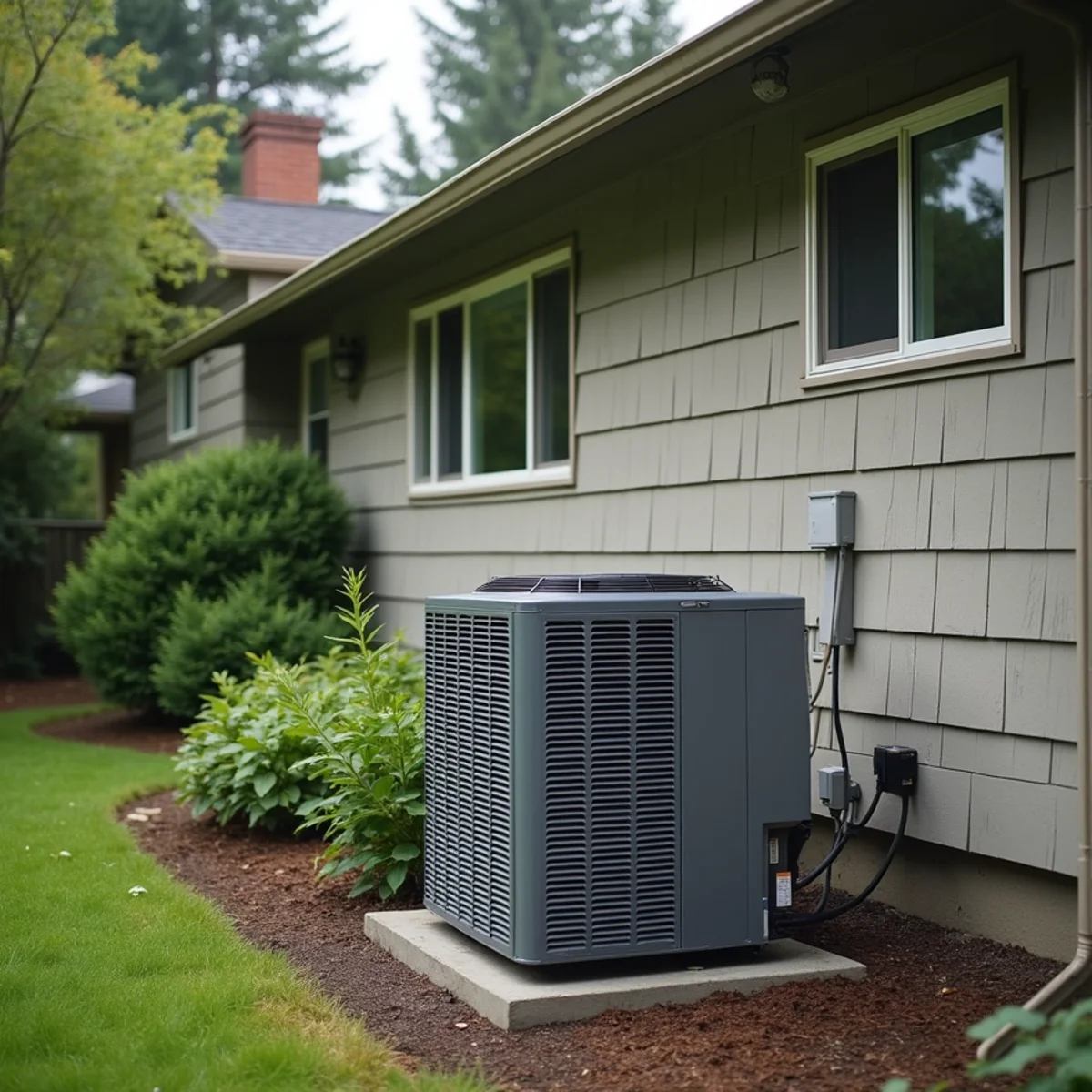
A heat pump uses the same outdoor footprint, coil and line set as a central air conditioner, but a reversing valve lets it heat as well as cool. Paired with your existing gas furnace it becomes a dual-fuel system; paired with a new air handler it can replace the furnace outright. Either way, you get cooling plus efficient heat through the mild, wet months when a furnace would otherwise be burning gas.
For owners who were going to add a condenser anyway, that is usually the better use of the outdoor unit. Our comparison of a heat pump or gas furnace for a Puget Sound home walks through the efficiency and operating-cost math.
Option 3: ductless mini-splits for homes without ducts
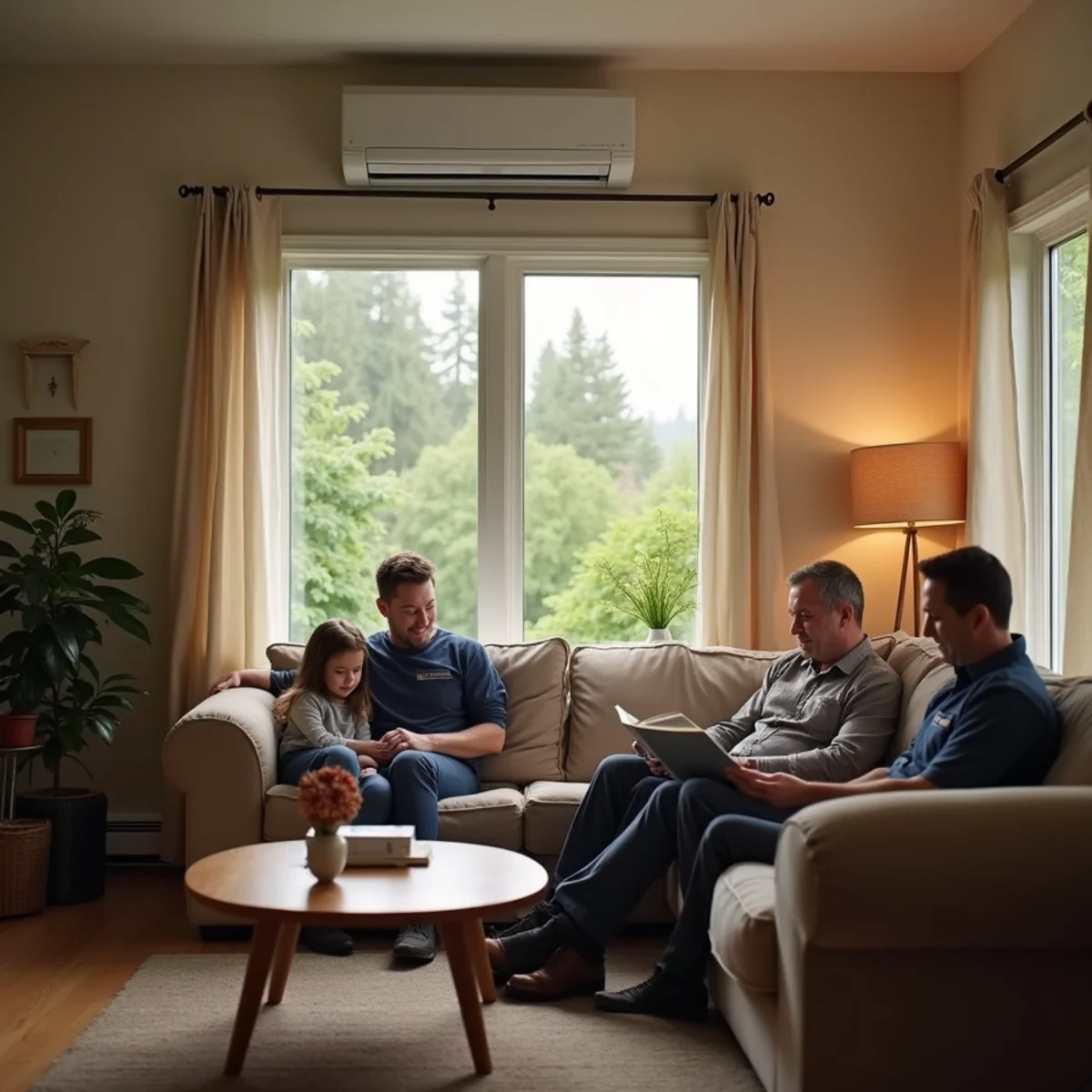
In a baseboard-heated house or condo, adding ducts usually means opening ceilings and losing closet space. A ductless heat pump avoids that. Each indoor head mounts high on a wall and connects to an outdoor unit through a small hole for the line set, drain and wiring. A single-zone system cools one main space; a multi-zone system runs several heads from one outdoor unit. Because they also heat, mini-splits often let owners lean far less on the baseboards.
This is the common fix in compact postwar homes like those in Mountlake Terrace, WA, where ductwork is limited or absent. Our ductless mini-split installation service covers zoning, head placement and condo approvals in more detail.
Stopgaps and niche options
Window units and portable air conditioners are fine for getting a bedroom through the next hot spell, and they need no permit or contractor. Single-hose portables are the least effective because they pull warm outdoor air in through gaps around the house as they exhaust. Treat any of these as a bridge, not a plan.
High-velocity small-duct systems are a niche option for homes where full-size ducts will not fit, such as finished attics or houses with plaster walls. They use narrow flexible tubes and small round outlets, and fewer contractors install them, so expect a longer search for the right installer.
What decides the right answer in your house
Duct condition and sizing
Ducts in 1960s to 1980s split-levels and ramblers often run through crawlspaces and garages with old tape, disconnected joints and a single central return. A contractor should run a Manual J load calculation, measure static pressure and look at the ducts before choosing equipment size. Sealing leaks or adding a return is often part of a good cooling install.
Electrical panel
Any new outdoor unit needs its own circuit. Older 100-amp panels that already serve an electric range, dryer and water heater may be near their limit, and a load calculation tells you whether a panel upgrade belongs in the project.
Outdoor unit placement, setbacks and noise
The outdoor unit needs clear airflow, service access and a level pad or wall bracket. In tight side yards, think about property-line setbacks and the neighbor's bedroom window. Units near salt air along the Edmonds waterfront benefit from coated coils and a rinse schedule.
HOA and condo rules
Many associations control where outdoor units, line-set covers and wall penetrations can go, and condo boards often require approval before anything touches an exterior wall. Get the rules in writing before you sign a contract.
Expert insight: the hall-closet furnace problem in 1970s split-levels
A lot of Lynnwood and Edmonds split-levels from the 1970s put the furnace in a hall closet or a narrow garage nook. That location decides more about adding AC than the brand of the equipment. A cooling coil sits on top of an upflow furnace, so it needs height the closet may not have, and it makes water that needs somewhere to go.
If the closet is too short, the options are a slimmer coil, rebuilding the plenum, or using the planned furnace replacement to rearrange the whole stack. If there is no floor drain nearby, a small condensate pump carries the water to a sink or outside, and it needs its own safety switch. Neither is a dealbreaker, but both belong in the quote rather than surfacing on install day. Here is how the options compare for an older house:
| Option | Needs ducts? | Also heats? | Typical disruption | Watch for |
|---|---|---|---|---|
| Central AC on the existing furnace | Yes, in good shape | No | About a day; coil, line set, outdoor unit | Closet height for the coil, condensate drain, blower capacity |
| Ducted heat pump | Yes | Yes | One to two days, often with a new air handler or furnace | Electrical panel capacity, duct size for cooling airflow |
| Ductless mini-splits | No | Yes | One to three days depending on zones | Head placement, line-set route, HOA or condo approval |
| Window or portable unit | No | No | None | Noise, window rules in condos, one room only |
Permits and rebates before you sign
Adding central air, a heat pump or a mini-split typically needs a mechanical permit from the City of Lynnwood, the City of Edmonds or, in unincorporated areas, Snohomish County PDS, and the electrical work may need its own permit. The installing contractor usually pulls it; confirm who does before work starts.
Rebates can change the math, especially for heat pumps. Snohomish County PUD's heat pump rebates target electrically heated homes and generally require a PUD-participating contractor, which the contractor we send may or may not be, so ask. Our guide to heat pump rebates in Snohomish County lists the programs; check each program's current page before you sign.
Get a plan for your home
The right cooling system depends on what is already in your walls, crawlspace and panel. Our HVAC installation service in Lynnwood sends a contractor to measure, check the ducts and panel, and lay out the options for homes from Alderwood Manor to older Edmonds neighborhoods.
Call (321) 478-0693. We answer 24/7, and you get a price before work starts. Every HVAC contractor we send is registered with Washington L&I, licensed where Washington requires it, and insured.
Frequently asked questions
Can central air be added to a home that only has baseboard heat?
Technically yes, but it means installing a full duct system plus an air handler, which is invasive in a finished older home. Most owners of baseboard-heated houses and condos around Lynnwood and Edmonds choose ductless mini-splits instead. The heads mount on walls, the lines run through a small exterior hole, and the system heats as well as cools, so it can take over much of the work the baseboards do now. A contractor can compare both approaches for your floor plan.
Will my existing ducts work for air conditioning?
Often, but not always as they are. Cooling needs more airflow than many older heating systems were set up for, and ducts in 1960s to 1980s homes frequently have leaky joints, crushed runs or only one return. A contractor should measure static pressure and check duct sizes against a load calculation. The fix may be as simple as sealing joints and adding a return grille, or it may mean resizing a few runs to reach the far bedrooms.
Do I need a permit to add air conditioning in Lynnwood or Edmonds?
For central AC, a ducted heat pump or a mini-split, a mechanical permit is typically required, and the electrical work may need a separate permit. In Lynnwood and Edmonds the city handles mechanical permits; in unincorporated areas it is usually Snohomish County PDS. The installing contractor normally pulls the permit, but confirm that in writing. Window and portable units that plug into an existing outlet generally do not need one.
Still have a question, or need help right now?