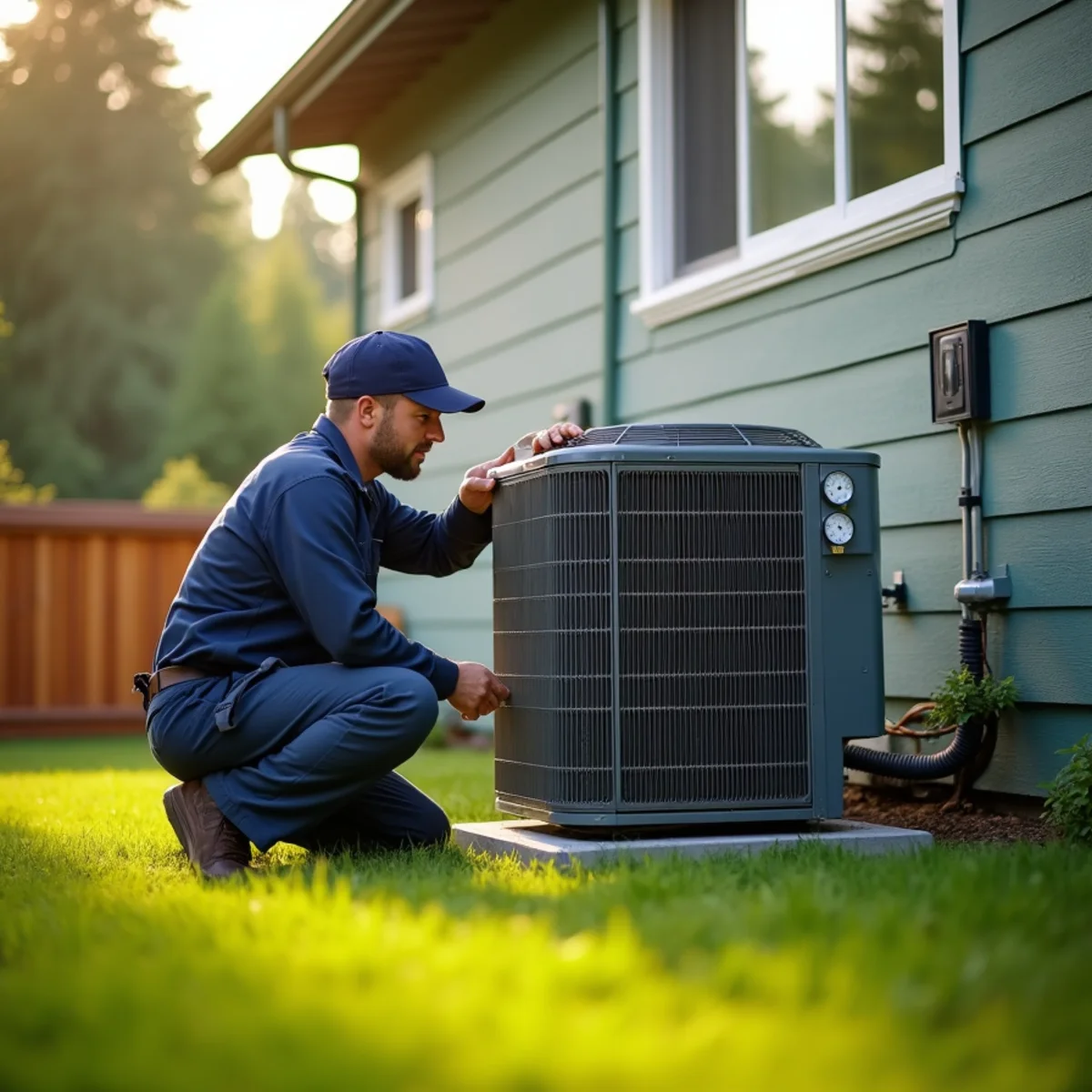
For AC repair in Lynnwood, WA, call (321) 478-0693: we answer 24/7 and send an L&I-registered, insured contractor who finds why the air conditioner stopped cooling and gives you the price before any work starts. The usual culprits are a failed capacitor or contactor, a refrigerant leak, a frozen coil or a clogged condensate drain.
For decades, most Lynnwood houses got through summer without air conditioning; homes built in the 1960s, 70s and 80s rarely came with it. Then came the heat dome. Local stations recorded 109 degrees in Lynnwood on June 28, 2021, and the share of Seattle-area homes with AC jumped from 44 percent in 2019 to 53 percent in 2021. Many systems we now see on AC repair calls in Lynnwood, WA went in during that rush, and their owners are often facing a first breakdown.
If yours is blowing warm air, freezing up or refusing to start, call (321) 478-0693. We answer 24/7, dispatch the nearest available independent contractor, and give you a realistic arrival window. The technician finds what failed and gives you the price before work starts.
Signs your air conditioner needs repair
Call for air conditioning repair if you notice:
- Warm or barely cool air at the registers while the outdoor unit runs
- An outdoor unit that hums, clicks or stays silent when cooling is called for
- Ice on the refrigerant lines, or water pooling around the furnace or air handler
- A tripping breaker, short cycling, or new grinding and squealing noises
First, check that the thermostat is on Cool, the filter is clean, and the furnace service switch and outdoor disconnect are on. Our post on what to check when your AC is not cooling in a heat wave covers more. If none of that helps, shut the system off rather than letting it run for hours, which can turn a capacitor problem into a compressor problem.
AC running but not cooling: refrigerant leaks, dirty coils, failed capacitors and contactors
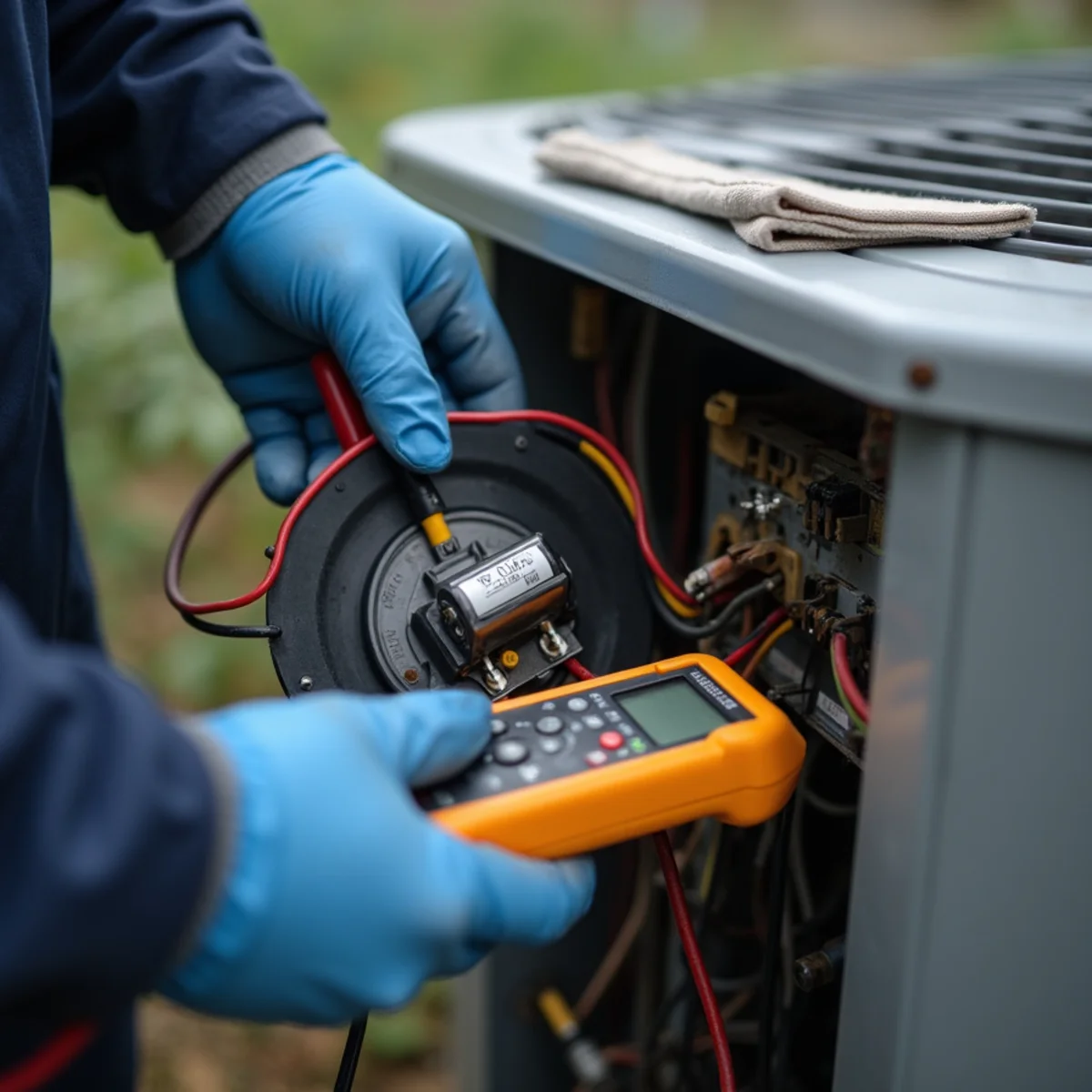
When the indoor blower runs but the outdoor unit does not, the first suspects are the run capacitor and the contactor. A weak capacitor leaves the compressor humming and tripping on overload, or the condenser fan sitting still. The contactor is the relay that switches the outdoor unit on, and its contacts pit and burn over time. Both test quickly with a meter.
When everything runs but the air is not cold, look at heat transfer. A condenser coil matted with cottonwood fluff and grass clippings cannot shed heat, and a dusty indoor coil cannot absorb it. Sometimes a coil cleaning is the whole fix.
Low refrigerant always means a leak, often at a brazed joint, a Schrader valve or the indoor coil. Topping it off buys a few weeks. Real refrigerant leak repair means finding the leak with an electronic detector or nitrogen pressure test, fixing it, pulling a vacuum and weighing in the correct charge, work that requires EPA Section 608 certification.
Frozen coils and weak airflow
Ice on the copper line outside or frost on the indoor coil means the coil is running too cold, usually from too little air across it: a clogged filter, a dirty coil, a failing blower or closed registers. Low refrigerant does the same thing. If you find a frozen AC coil, set the thermostat to Off and the fan to On to thaw it, put towels down, and replace the filter before trying again. If it ices up a second time, call.
Check the condensate drain while it thaws. In many Lynnwood homes the AC coil sits on a gas furnace in a garage or closet, and a clogged drain line or failed condensate pump can overflow into the furnace or trip a float switch that shuts cooling off.
Water around the indoor unit: condensate drains, pumps and pans
An air conditioner pulls water out of the air as it cools, and on a humid July afternoon that can be several gallons a day. The water drips off the indoor coil into a drain pan, then runs through a PVC trap and line to a floor drain, the outside, or a small condensate pump. When any part of that path fails, you find water where it should not be.
In Lynnwood the usual causes are algae and dust clogging the trap after a long idle winter, a condensate pump that has quietly died, a cracked or rusted drain pan under an older coil, and a frozen coil dripping as it thaws. Many systems also have a float safety switch that shuts the AC off when water backs up, which is why a unit can stop cooling with no other symptom. Turn the system off, mop up, photograph the area and call. Don't keep resetting the switch, and don't pour bleach or drain cleaner into a line you can't see the end of.
When your AC is really a heat pump: cooling-mode faults
Many outdoor units added to Lynnwood homes in recent years are heat pumps, which cool in summer and heat the rest of the year, and Snohomish County PUD offers rebates on them for electrically heated homes. They look like an AC but add a reversing valve and controls that can fail in cooling mode.
The classic symptom is a system that heats fine in winter but blows warm air on Cool. That points to the reversing valve solenoid or the thermostat wiring, and a few voltage checks tell which. A valve stuck partway is a bigger job, covered on our heat pump repair and service page. If the outdoor unit feeds a wall-mounted head, see ductless mini-split repair.
Heat waves and first-time AC owners: what we see in Lynnwood each summer
Most of the year a Lynnwood air conditioner barely runs. Then a July or August stretch tops 90 degrees, every system runs flat out at once, and weak capacitors, dirty coils and marginal charges show themselves. Systems that sat all spring with leaves in the condenser and a winter filter are usually first to quit.
First-time owners hit the same surprises. A system sized for normal Puget Sound summers may not hold the setpoint when it is over 100 outside. Turning the thermostat way down does not cool faster. In 1970s split-levels around Alderwood Manor and Meadowdale where AC was added to heating-only ducts, upstairs rooms often run warm because the return path is small. Condos along Highway 99 and around City Center usually rely on ductless units instead.
We also take calls for AC repair in Edmonds, where many 1960s to 1980s homes had cooling added later, air conditioning service in Mountlake Terrace and AC and heat pump repair in Bothell. Our service areas page lists every city we cover.
R-410A, R-454B and R-32: what the refrigerant change means for repairs
Under the EPA's Technology Transitions rule, new residential split systems manufactured from January 1, 2025 must use a lower global-warming-potential refrigerant. Most manufacturers chose R-454B or R-32, both classed A2L (mildly flammable), so new equipment has built-in leak sensors and its own handling rules.
That does not make R-410A obsolete. It is still produced and still used to service existing systems, so a working R-410A unit can be repaired and recharged as usual. Supply is being stepped down under the federal HFC phasedown, so the refrigerant may cost more over time, which makes a big leak on an older unit a harder call.
The practical limit is mixing: manufacturers generally do not approve pairing a new R-454B or R-32 outdoor unit with an old R-410A indoor coil, so a failed compressor or coil may mean replacing both halves. Systems still on R-22, common before 2010, are legacy equipment; R-22 production and import ended in the US in 2020, and only recovered or stockpiled supply remains. See HVAC installation and replacement for what a new system involves.
AC tune-ups and filter changes, including wildfire smoke season
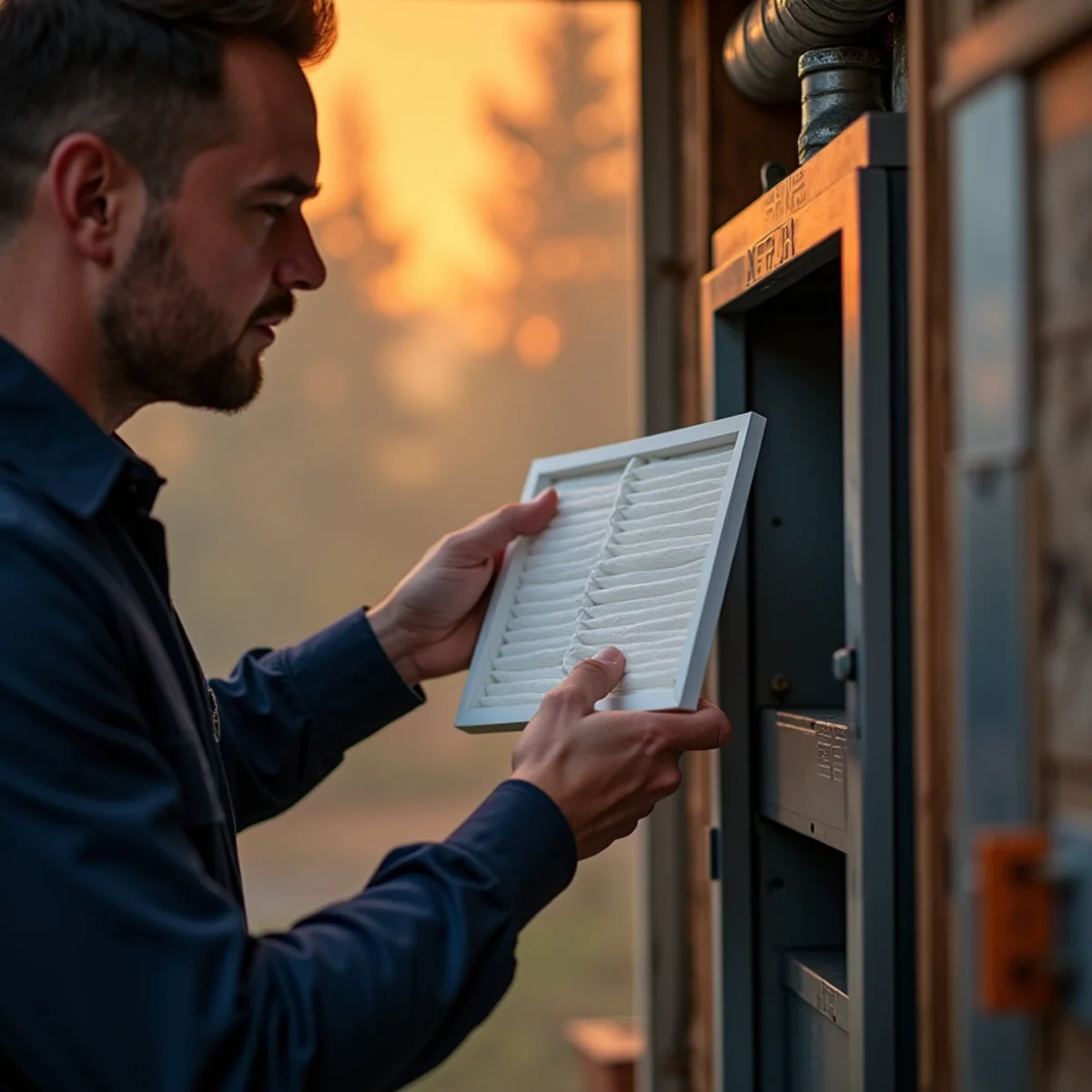
Schedule an AC tune-up in late spring, before the first hot stretch. A good cooling service covers:
- Condenser coil cleaning and clearing around the outdoor unit
- Capacitor, contactor and wiring tests
- Refrigerant pressures checked against the manufacturer's charging chart
- Indoor coil, condensate drain and float switch checks
Wildfire smoke changes the filter math. A MERV 13 filter captures far more of the fine particles in smoke than a basic filter, and it is worth using where your blower can handle it. The catch is resistance: a 1-inch MERV 13 can choke airflow on an older or undersized return, bringing back frozen coils. A technician can measure static pressure to tell you whether your system can take it, or whether a 4- or 5-inch media cabinet fits better.
During smoke events, keep windows closed, set the thermostat fan to On so air keeps passing through the filter between cooling cycles, and check the filter every week or two. Our wildfire smoke and HVAC filter guide has more on fan settings and portable air cleaners.
What's included in an AC repair visit in Lynnwood
An AC repair visit should end with a cooling house and a straight account of the system's condition. Expect the contractor we send to cover:
- Electrical tests: capacitor reading against its rating, contactor, disconnect, breaker and the compressor and fan motor amp draw
- Refrigerant checks with gauges or probes: pressures, superheat and subcooling, and a leak search if the charge is low, before any refrigerant goes in
- Airflow: filter, blower, evaporator coil and the temperature drop across the coil
- The condensate trap, line, pump and float switch
- The outdoor coil, fan blade and clearance around the unit
- The repair price before any work starts, then a test run to confirm the house is actually cooling
If the system is old enough that a big repair raises the replace question, you get both options laid out plainly. Our guide to what to check when the AC can't keep up in a heat wave covers the steps worth trying before the visit.
What affects AC repair cost
There is no honest flat price for AC repair. The factors that matter most:
- The component: a capacitor or contactor is minor, a compressor or coil is major
- Refrigerant type, how much is needed, and whether a leak must be found first
- System age, and whether the manufacturer warranty still covers the part
- Access, plus nights, weekends and holidays, with any different rate stated before work starts
You get the diagnosis and the price before work starts. On an older system with a major failure, ask for a replacement estimate alongside the repair price.
The AC Repair process, step by step
How an AC repair call works, from the first ring to cold air at the vents:
- 1
Tell us what the AC is doing
A live person answers 24/7. Mention any ice or water, and anyone at home who is vulnerable to heat.
- 2
Nearest contractor on the way
We dispatch the nearest available L&I-registered, insured contractor and give you an honest window, even on busy heat-wave days.
- 3
Electrical and refrigerant checks
The technician tests the capacitor, contactor and controls, reads pressures, checks coils and the drain, and quotes the price before work starts.
- 4
Repair and confirm cooling
After you approve, the repair is made and the system runs long enough to confirm proper cooling and a clear drain.
Why choose Alderwood Heat & Cool Pros for AC Repair
Why Lynnwood homeowners call us when the air conditioning quits:
Live answer in a heat wave
We answer 24/7, including the hot weekends when cooling calls pile up.
Leaks found, not just topped off
A low charge means a leak. Ask where it is before any refrigerant goes in.
Straight talk on refrigerant
Plain answers on what R-410A, R-454B, R-32 and R-22 mean for your repair-or-replace decision.
Registered and insured
Every HVAC contractor we send is registered with Washington L&I, licensed where Washington requires it, and insured.
AC Repair around Lynnwood
We cover all of Lynnwood, including Alderwood Manor, Martha Lake, North Lynnwood, Meadowdale and City Center, plus Brier and the five cities within about 25 minutes. Edmonds and Mountlake Terrace are next door; Bothell, Mill Creek and Mukilteo are the outer ring. See the full list of HVAC service areas around Lynnwood, or go straight to your city:
Frequently asked questions
Why is my AC running but not cooling the house?
The usual causes are a failed run capacitor or contactor that keeps the outdoor unit from starting, a dirty condenser or indoor coil, a frozen coil from poor airflow, a clogged condensate drain that tripped a safety switch, or a refrigerant leak. The indoor blower can keep moving air while nothing outside removes heat. Check the filter, thermostat and breakers first. If those are fine, turn the system off and have it tested before a cheap part takes the compressor with it.
How quickly can a technician come out during a heat wave?
We answer 24/7 and dispatch the nearest available contractor, but we will not promise a fixed arrival time. During a heat wave, cooling calls across south Snohomish County spike together and traffic slows. When you call (321) 478-0693, we give you a realistic window based on that day. If an older adult, a baby or someone with a medical condition is in a hot house, tell us so we can weigh it.
Is it safe to keep running an AC with a frozen coil?
No. Running a frozen system can send liquid refrigerant back to the compressor and damage it, and melting ice can overflow the drain pan. Set the thermostat to Off and the fan to On to thaw the coil, which usually takes a few hours, and put towels down near the indoor unit. Replace the filter, then try cooling again. If it freezes a second time, low refrigerant or a blower problem is likely, and it needs a technician.
Should I repair an older R-410A system or replace it?
It depends on the failure and the age. R-410A systems are still fully serviceable, so a capacitor, contactor, fan motor or small leak repair is usually worth doing on a system that is not near the end of its life. A failed compressor or indoor coil on an older unit is different: the part is costly, and new equipment uses R-454B or R-32, which generally cannot be mixed with an old R-410A coil. Ask for both prices and compare.
My AC trips the breaker as soon as it starts. What does that mean?
A breaker that trips the moment the outdoor unit starts usually points to a failing run capacitor, a compressor struggling to start, a shorted fan motor or a wiring fault at the disconnect or contactor. Resetting it once is reasonable. If it trips again, leave it off, because repeated resets can overheat wiring and finish off a compressor that might still be saved. A technician can measure startup current to find the part drawing too much.
Still have a question, or need help right now?