HVAC Guide · 6 min read
Wildfire Smoke Season in Snohomish County: Filters, Fan Settings and Your HVAC System
By Alderwood Heat & Cool Pros · Published October 3, 2026
The short answer
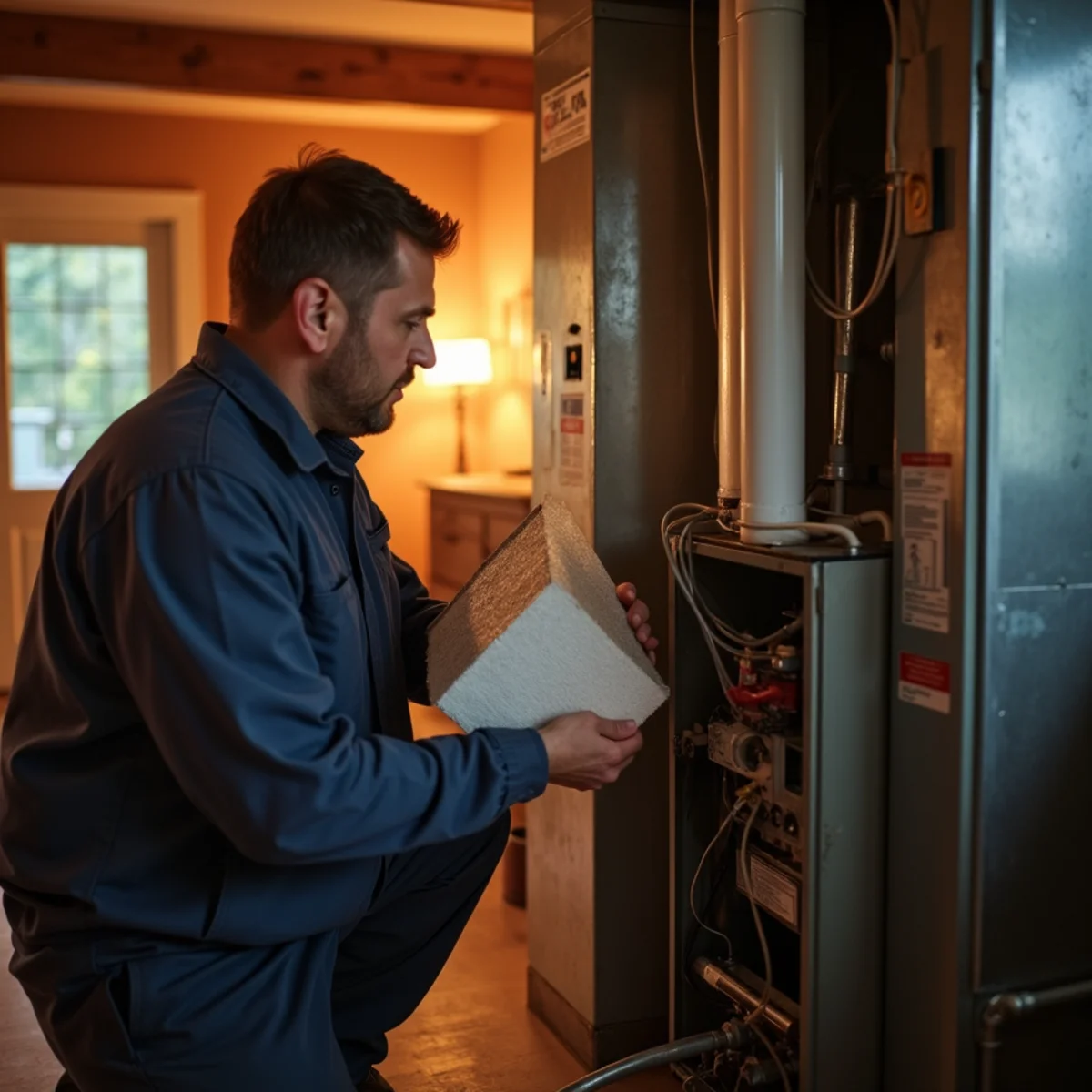
When wildfire smoke reaches Snohomish County, install the best filter your system can handle, ideally MERV 13, and set the thermostat fan to ON so air keeps passing through it. Close fresh-air intakes, run a portable HEPA cleaner in bedrooms, check AirNow, and change the filter once the smoke clears.
Why smoke is an HVAC problem in south Snohomish County
Late summer and early fall bring wildfire smoke to the Puget Sound lowlands in many years, usually from fires in the Cascades, eastern Washington or British Columbia. The particles that matter most are PM2.5, fine enough to slip through a cheap furnace filter and through the gaps around doors, windows and attic hatches in older Lynnwood-area homes.
A ducted furnace, air handler or heat pump can work as a whole-house air cleaner, because every cubic foot it moves passes through the filter. The trick is a filter that actually catches smoke and enough run time to keep cleaning. Track conditions on AirNow's air quality map or through the Washington Department of Ecology's monitoring, and act once the readings climb, not after the house already smells of smoke.
Choose the right filter: MERV 13 where your system can handle it
MERV ratings run from 1 to 16 in residential sizes. The thin fiberglass filters that come with many furnaces sit near the bottom of that scale and stop lint and dust, not smoke. The EPA recommends MERV 13 or higher, as high as your system can accommodate, to capture a meaningful share of fine particles.
Static pressure and the 1-inch filter problem
A dense filter resists airflow. Squeeze a MERV 13 into a 1-inch slot on a system that was already marginal and static pressure climbs, the blower works harder, and airflow drops. In heating, that can trip the furnace's high-limit switch and cause short cycling. In cooling, it can freeze the evaporator coil. Variable-speed (ECM) blowers ramp up to compensate, which costs energy and adds noise. Watch for weaker airflow at the registers after a filter change.
Why 4- and 5-inch media cabinets work better
A deep media filter has many times the surface area of a 1-inch filter, so it can reach MERV 13 with much less resistance and lasts longer between changes. A contractor can add a media cabinet beside the furnace or air handler and confirm the static pressure afterward. Whatever filter you use, make sure it fits snugly: smoke goes around a loose filter.
Fan ON or AUTO during a smoke event
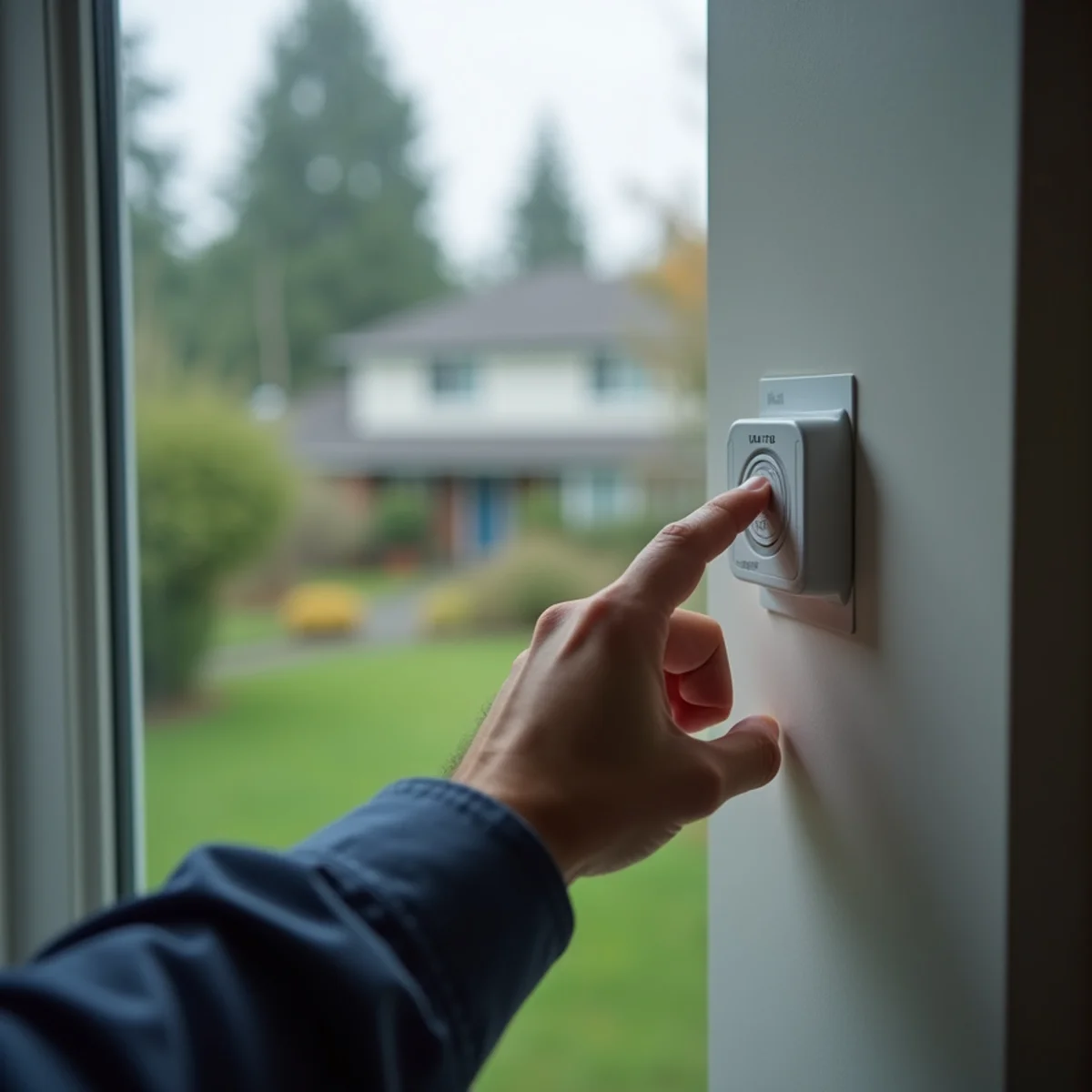
On AUTO, the blower runs only when the system is heating or cooling, which on a mild smoky day might be a few minutes an hour. Switching the fan to ON keeps air cycling through the filter continuously, so the whole house gets cleaned rather than just the air that happens to pass through during a cooling call.
The trade-offs are modest. Older single-speed (PSC) blower motors use more electricity running constantly than variable-speed motors, and in cooling mode a constantly running fan can re-evaporate some moisture from the coil. Switch back to AUTO once the smoke clears.
Close outdoor air: intakes, ERVs and HRVs
Filtering indoor air does little if the house keeps pulling smoky air in. During a smoke event:
- If your system has a fresh-air duct to the return with a damper, close it. These are more common in newer homes built to current ventilation rules.
- Set an ERV or HRV to recirculate, or turn it off, following the manufacturer's guidance. Restart ventilation once the air clears so moisture and indoor pollutants don't build up.
- Keep windows closed and use bath fans and kitchen hoods only briefly, because they pull replacement air in through every gap in the house.
- Don't run a whole-house fan or an evaporative (swamp) cooler. Both work by drawing large volumes of outdoor air inside.
Portable HEPA cleaners and the DIY box-fan filter
A portable HEPA air cleaner sized for the room, using its clean air delivery rate (CADR), is the best supplement to your HVAC filter. Put one in the bedroom and keep that door closed to create a clean room for sleeping. That matters most in homes heated and cooled by ductless mini-splits: the indoor heads have only washable mesh screens that catch lint and dust, not smoke. Use portable HEPA units in those homes and rinse the screens after the event.
The DIY Corsi-Rosenthal box, four MERV 13 filters taped into a cube with a box fan on top, is an inexpensive, well-tested option for a living room. Use a newer, safety-listed fan and don't leave it running unattended or while you sleep.
Expert insight: the leaks that pull smoke in while the house is shut
Closing the windows is only half of it. Every time a bath fan, range hood or clothes dryer runs, it pushes indoor air out, and the same volume of smoky outdoor air comes back in through gaps around doors, can lights and the crawl space. In a tight newer townhome near City Center that effect is strong; in a leaky 1970s rambler, smoke drifts in with or without the fans. Run exhaust fans only as long as you need them during a smoke event, and let the filtered system and portable cleaners do the rest.
Watch the AC as well. A filter loaded with smoke particles restricts airflow, and a starved coil can freeze in the middle of a hot, smoky week. If airflow at the registers drops or the copper line at the outdoor unit frosts, switch to fan only and swap the filter.
A smoke-day routine, step by step
A smoke-day routine that works in most south Snohomish County homes:
- Check air quality on AirNow in the morning, and again before opening anything up.
- Close windows and doors, and set any ERV or HRV to recirculate or off.
- Put in the MERV 13 filter, or the best your system can handle, with the airflow arrow pointing toward the furnace.
- Set the thermostat fan to ON so air passes the filter continuously.
- Run a portable HEPA cleaner in the room where people sleep.
- Keep exhaust fans, the dryer and the range hood to short runs.
- Swap the filter when the smoke clears, and write the date on the frame.
After the smoke clears: filter changes and system checks
A smoke event can load a filter in days. Replace it once the air quality is back to normal, even if it is newer than your usual schedule, and mark the date. Ash and grit can also settle on the outdoor coil; with the power off at the disconnect, rinse it gently from the inside out with a garden hose, never a pressure washer.
Smoke season runs straight into heating season here, so the next filter goes in right as the furnace starts working. If the AC struggled or froze during the smoky stretch, have it checked through our AC repair service. If the furnace short-cycles or shuts off on its first cold nights, a clogged filter or a high-limit trip may be the cause, and our furnace repair service in Lynnwood can test it.
Get your system ready for the next smoky week
If you want a deeper media filter or a static pressure check before the next smoke season, a contractor can measure your system and recommend the highest rating it can handle. We cover homes across south Snohomish County, from Lynnwood to Canyon Park and downtown Bothell.
If smoke season left the system short-cycling, frozen or simply tired, call (321) 478-0693. A person answers day or night, the closest available contractor is sent your way, and the price comes before any work.
Frequently asked questions
Is a MERV 13 filter safe for my furnace?
In many systems, yes, especially in a 4- or 5-inch media cabinet. In a 1-inch slot on a system with small returns, a MERV 13 can restrict airflow enough to trip the high-limit switch in heating or freeze the coil in cooling. Signs of trouble include weaker airflow at the registers, a louder blower, or short cycling. A contractor can measure static pressure with the new filter in place and tell you whether your system can handle it.
Should I run my AC during wildfire smoke?
Yes. A typical central air conditioner or heat pump recirculates indoor air rather than bringing outdoor air in, so it keeps the house cool with the windows shut and filters the air as it runs. Close any fresh-air damper and set the fan to ON so filtering continues between cooling cycles. Ductless systems also recirculate, but their screens don't catch smoke, so pair them with portable HEPA cleaners in the rooms you use most.
How often should I change my HVAC filter during smoke season?
Check it every week or two while smoke lingers, and replace it after the event ends even if your usual schedule says it has months left. A 1-inch filter can load up within days in heavy smoke, which cuts airflow and makes the system work harder. Deep media filters last longer, but a long smoky stretch can still shorten their life. Starting the heating season with a fresh filter protects the furnace's blower and heat exchanger.
Still have a question, or need help right now?