HVAC Guide · 6 min read
Furnace Not Working? 8 Checks to Make Before You Call for Repair
By Alderwood Heat & Cool Pros · Published October 3, 2026
The short answer
If your furnace is not working, check eight things in order before you call: the thermostat setting and batteries, the breaker and furnace switch, the filter, the blower door, the gas supply, the condensate drain, the status-light code and the outdoor vent pipes. If you smell gas or a CO alarm sounds, skip the checks and leave.
Before any check: a gas smell or CO alarm means get out
This guide assumes the furnace is simply not making heat. If you smell gas (a rotten-egg or sulfur odor) or a carbon monoxide alarm is sounding, do not reset anything, do not flip switches and do not hunt for the source. Get everyone, pets included, out of the house first. Once outside, call 911 and Puget Sound Energy's gas emergency line at 1-888-225-5773.
Call us after the fire department or utility has cleared the house. A furnace that set off a CO alarm needs its heat exchanger, burners and venting inspected before it runs again, which is a job for 24/7 emergency HVAC repair, not a checklist.
Checks 1 to 3: the thermostat, the power and the filter
Check 1: Thermostat mode, setpoint and batteries
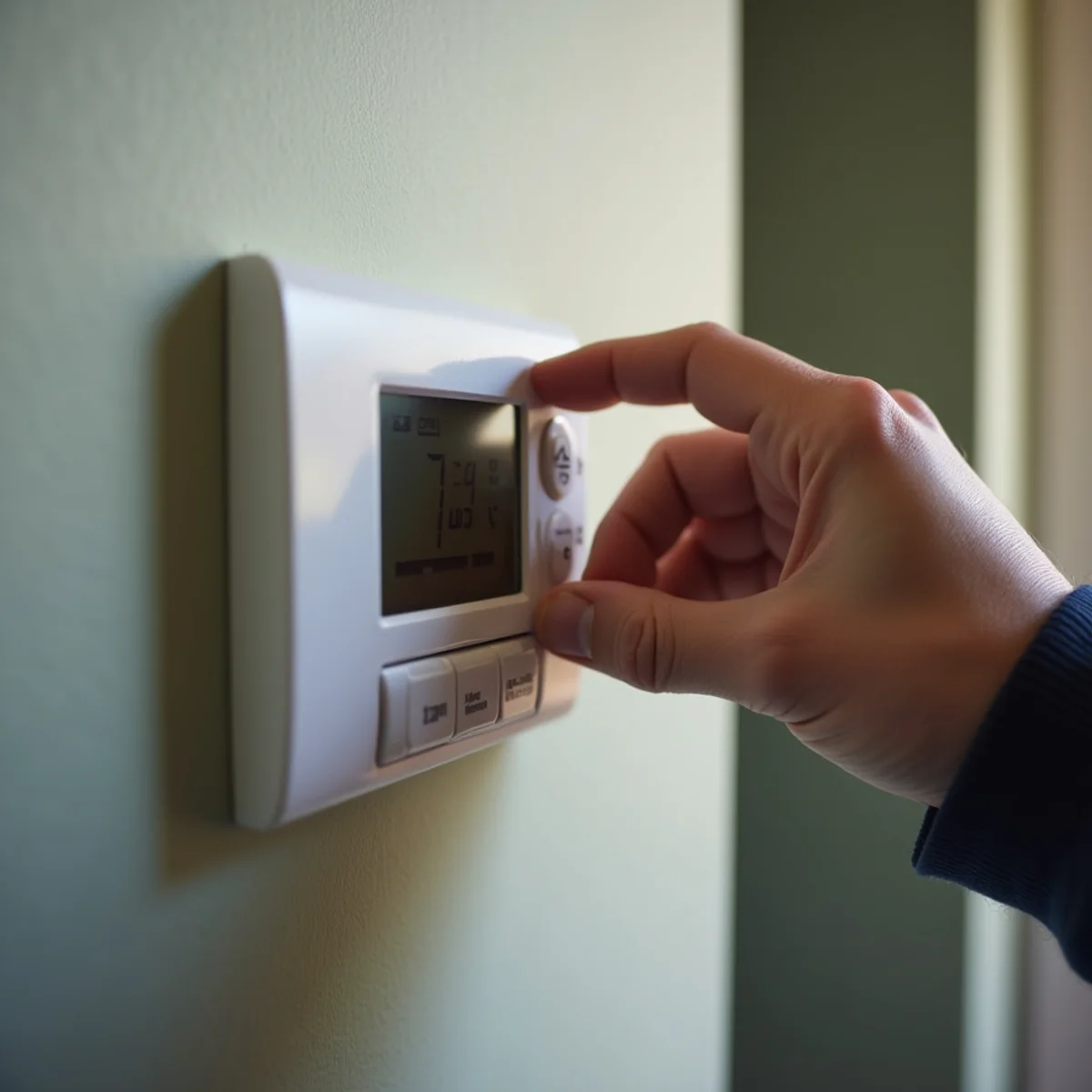
Set the thermostat to HEAT, not COOL, OFF or a schedule hold, and raise the setpoint three or four degrees above room temperature. A blank or flickering display usually means dead batteries. Swap them and wait two or three minutes, because most furnaces run the inducer for a pre-purge before the burners light. On a smart thermostat, also check the app for an eco setback or an active hold.
Check 2: The breaker and the furnace power switch
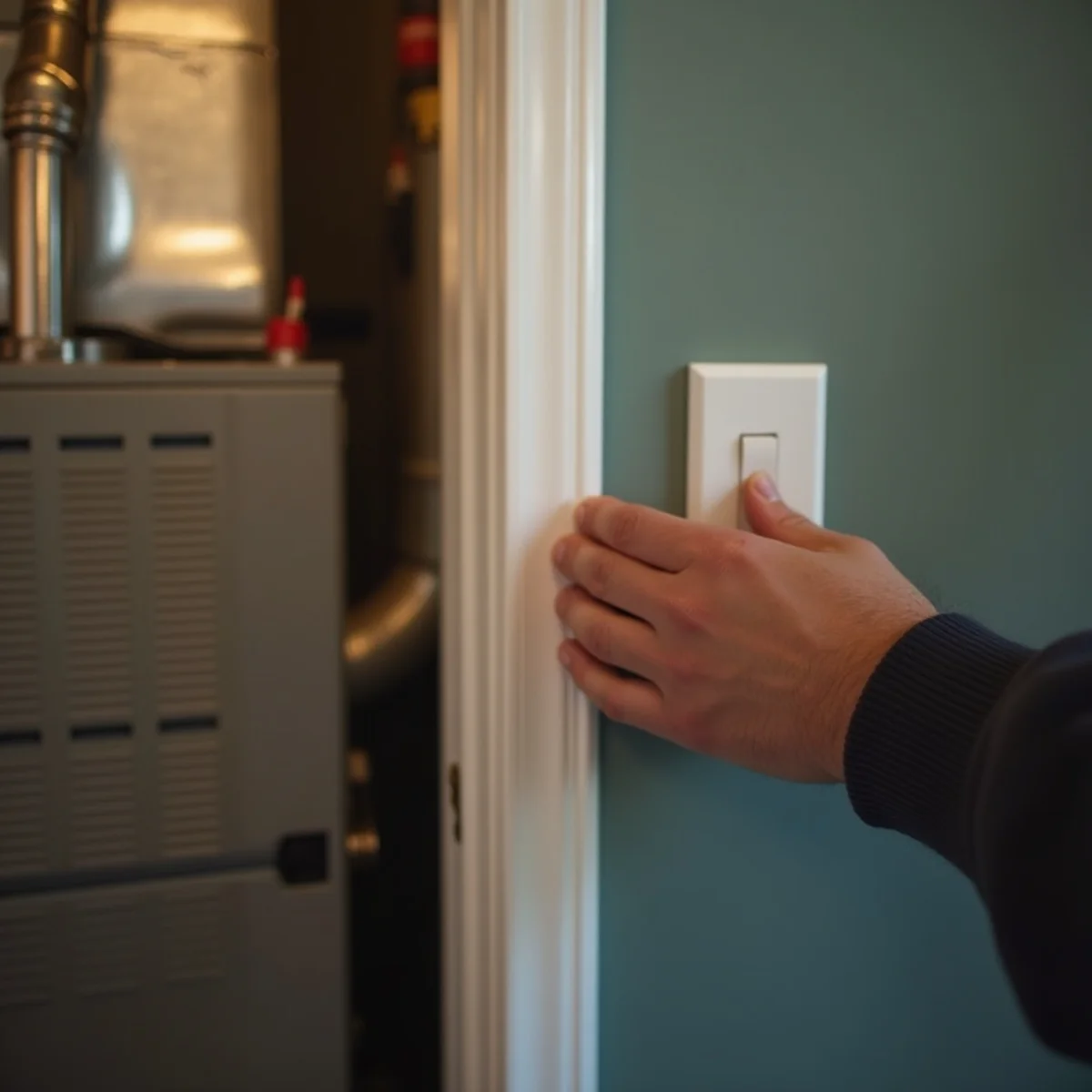
At the panel, find the breaker labeled furnace, FAU or heat; a tripped one sits in the middle position, so push it fully off, then on. Then find the switch that looks like an ordinary light switch near the furnace. In older Lynnwood split-levels it is often in a hall closet or the garage, where a storage box knocks it off. Reset a breaker once. If it trips again, leave it off and call.
Check 3: The air filter
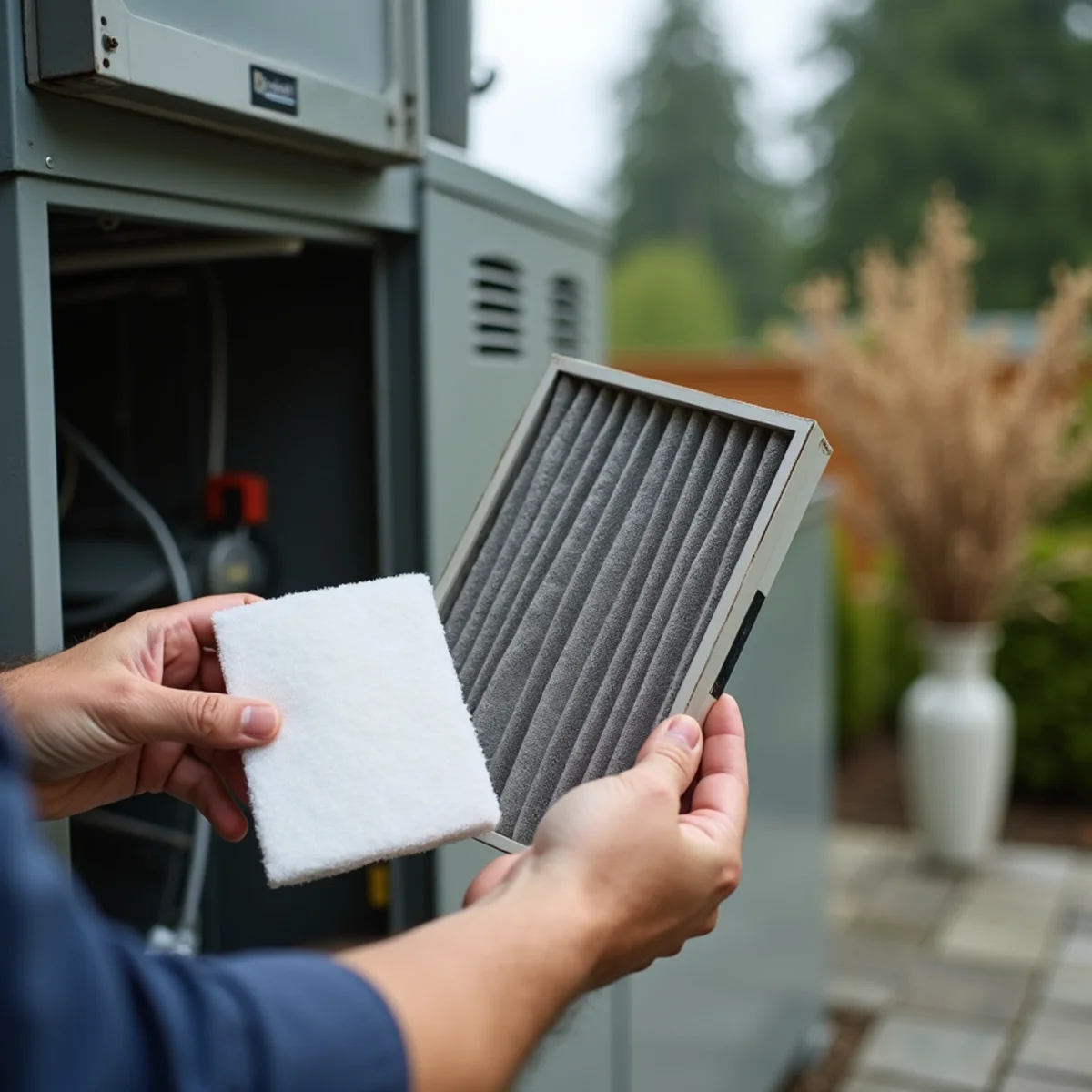
A filter packed with dust and pet hair starves the furnace of air. The heat exchanger runs hot, the high-limit switch opens and the burners shut off after a few minutes. If you cannot see light through the filter, replace it with the size printed on the frame. A one-inch filter can clog within a couple of months of winter running.
Checks 4 to 6: the blower door, the gas supply and the condensate drain
Check 4: The blower door safety switch
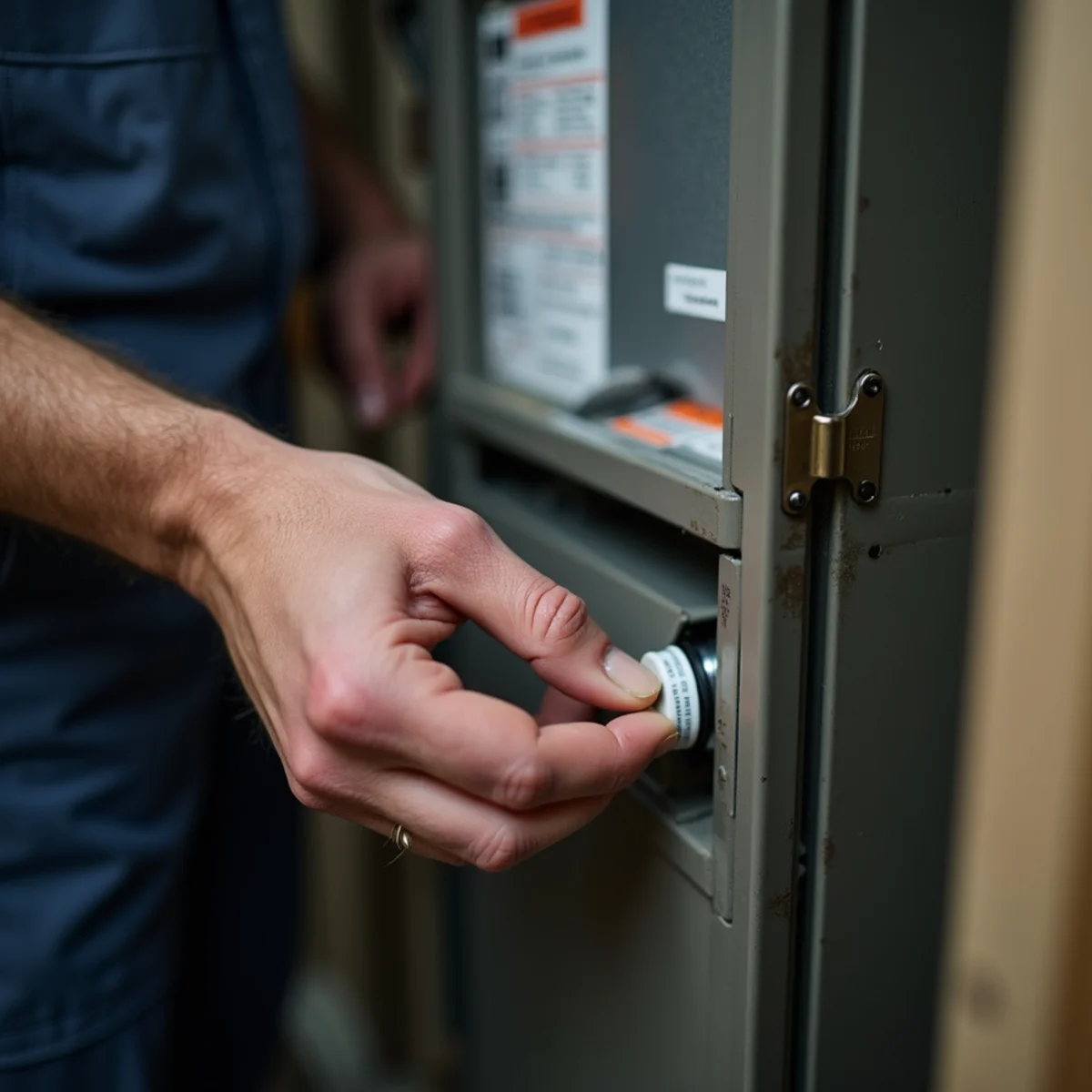
Under the lower front panel is a push-button switch that cuts power whenever the door is off or loose. If someone changed the filter and set the panel back crooked, the furnace stays dead. Seat the door so its tabs drop into the slots, then listen for the inducer motor.
Check 5: Gas supply and your other gas appliances
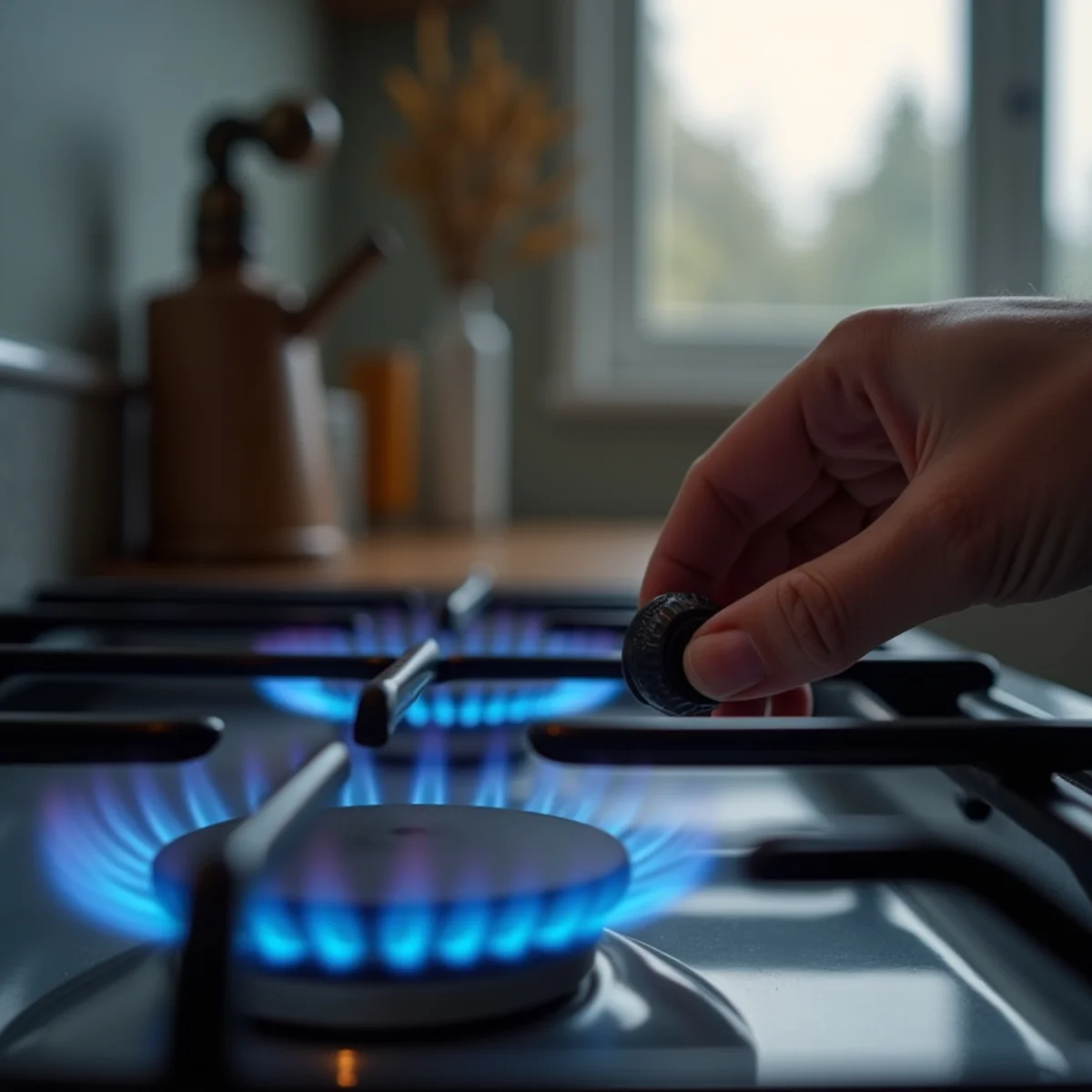
The handle on the gas valve feeding the furnace should run parallel with the pipe. Then try another gas appliance. If the range or water heater will not light either, the problem is upstream, such as a Puget Sound Energy outage or a meter issue, so check with PSE before calling an HVAC contractor. Do not loosen or relight anything on the gas line.
Check 6: Condensate trap, drain line and pump
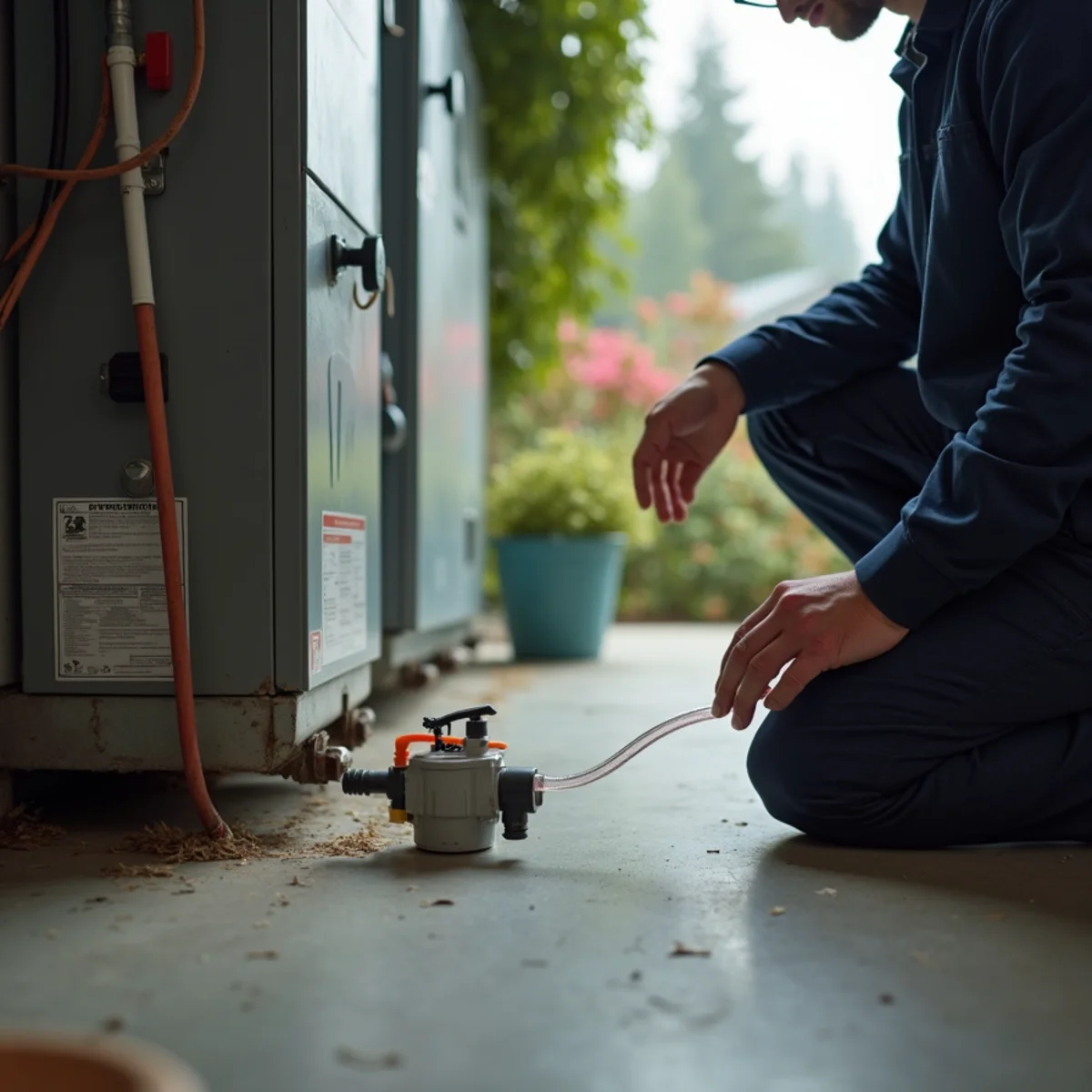
White PVC pipes on your furnace mean it is a condensing, 90-percent-plus AFUE unit that makes water as it burns. That water drains through a plastic trap to a floor drain or a small condensate pump. If the trap clogs or the pump fails, a safety switch stops the furnace. Look for water at the base or a full pump reservoir. Leave taking the trap apart to a technician, since a badly resealed trap can leak flue gas.
Checks 7 and 8: the status light and the vents and pipes
Check 7: Read the blink code, but look only
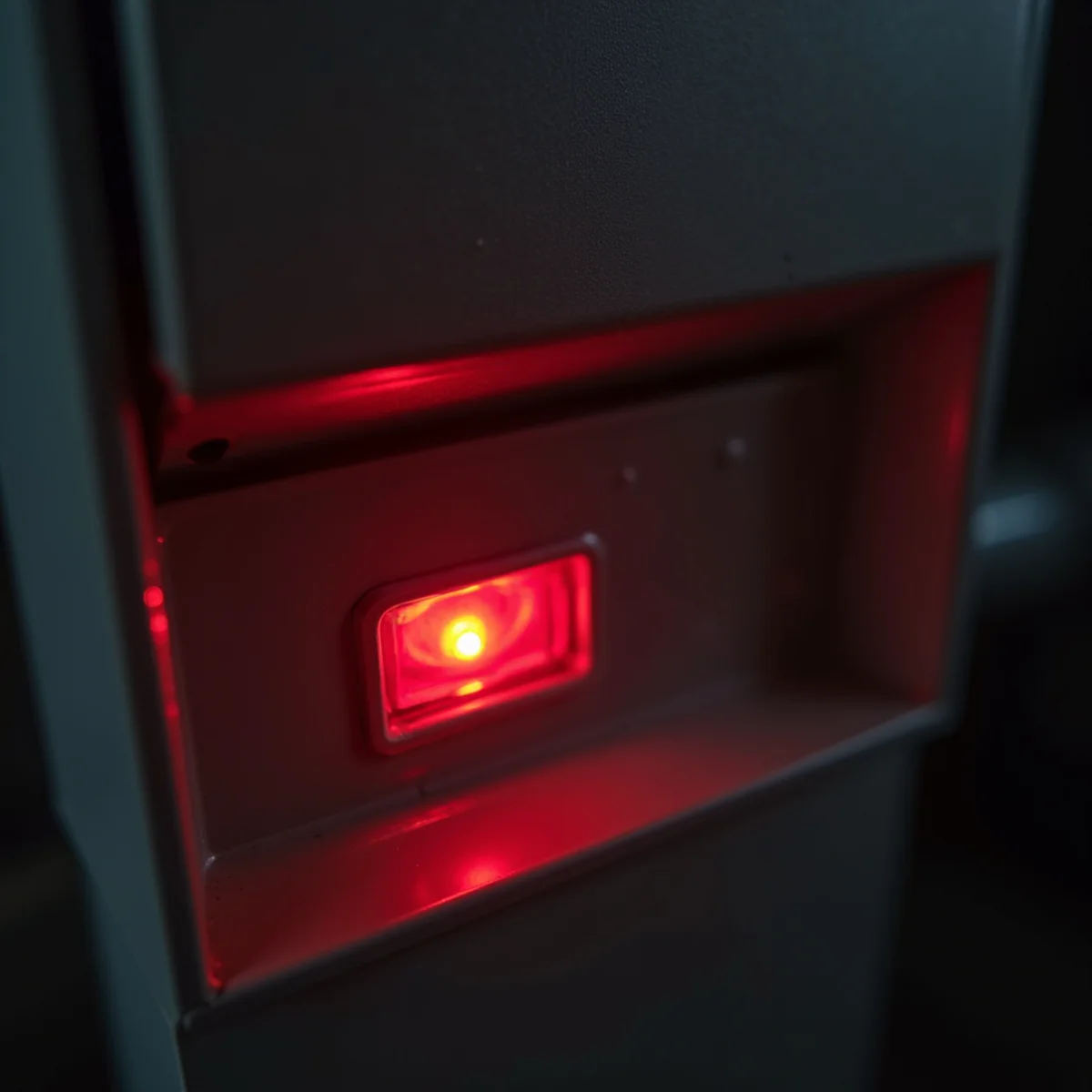
Most furnaces built since the 1990s have an LED on the control board, visible through a small window in the blower door. A repeating set of flashes is a fault code: count the blinks between pauses and match the number to the chart inside the door panel. Common codes flag a pressure switch, an unproven flame, an open limit or an ignition lockout.
Write the code down and read it to us when you call. A dirty flame sensor is a frequent reason a furnace lights for a few seconds and shuts off, but reaching it means opening the burner compartment, which belongs on a furnace repair visit in Lynnwood.
Check 8: Registers, return grilles and the outdoor PVC pipes
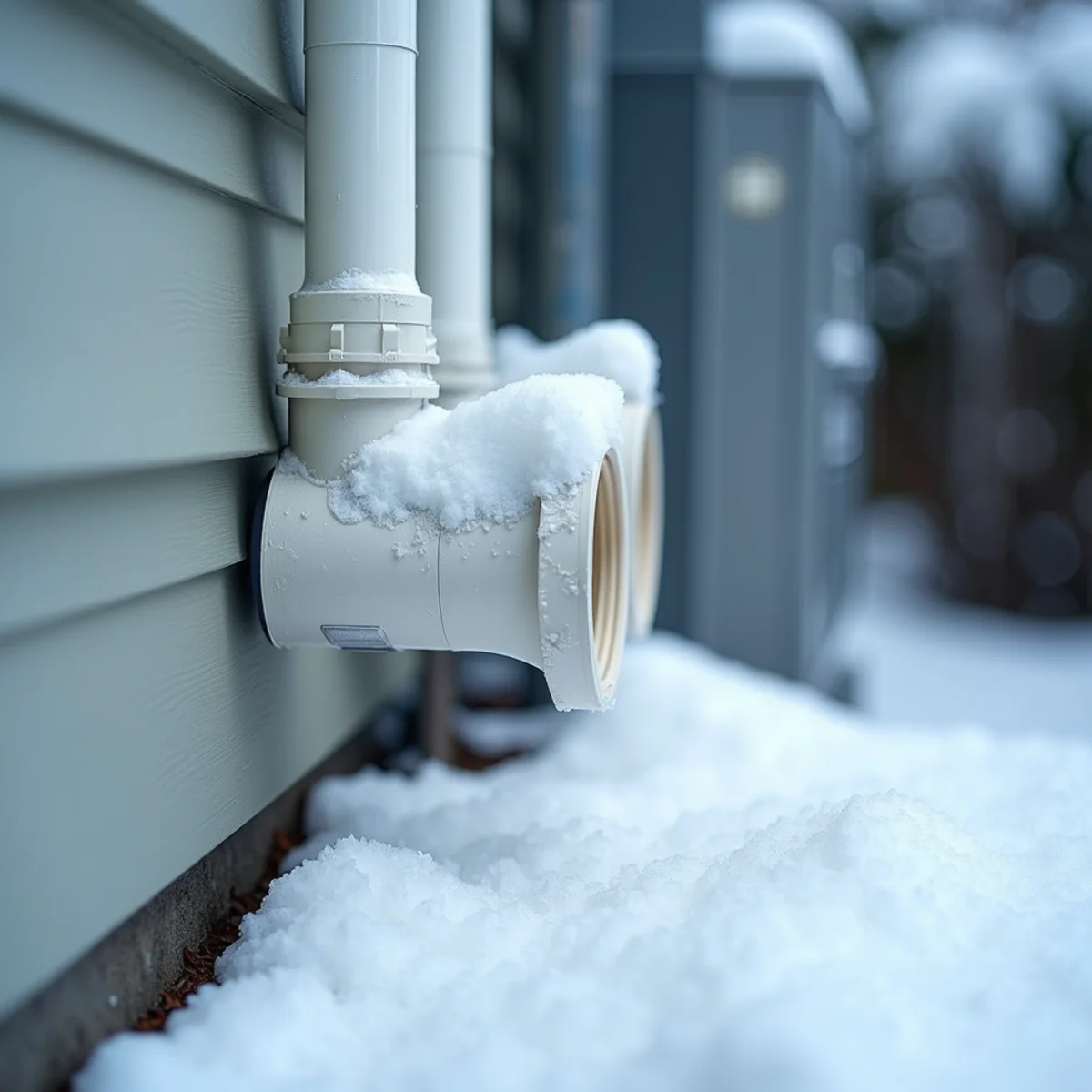
Make sure supply registers are open and return grilles are clear; closing many registers can trip the high-limit switch. Then go outside. High-efficiency furnaces pull in air and vent exhaust through two PVC pipes on a side wall or the roof. Drifted snow, leaves or a nest can block them, and the pressure switch will keep the burners off. Clear them by hand without pushing anything into the pipes.
What we see most on Lynnwood no-heat calls
A few patterns repeat every winter in Lynnwood and Mountlake Terrace, and knowing them can save you a visit. The first is the filter. The heating season here runs October into May, so a one-inch filter that looked fine in the fall is often packed by January. The furnace lights, overheats, trips the high-limit switch and shuts down a few minutes later, which looks exactly like a bigger failure.
The second is specific to 90%-plus furnaces in garages and crawl spaces. Their condensate drain line sometimes runs through unheated space, and in a hard cold snap it can freeze. The water backs up, the pressure or float switch opens, and the furnace refuses to light even though nothing is broken. Thawing the line gently with warm towels, never a torch, usually restores heat; insulating or rerouting it keeps it from happening again.
The third is newer smart thermostats losing power. If the screen goes blank after a power blip, the thermostat may not be getting steady power from the furnace's common wire, and the furnace never gets the call for heat. Read the status light and note the blink code: it tells the technician which of these it is before they open the cabinet.
What these checks will not fix
If all eight checks come up clean, the fault is inside the furnace. In the 1960s-to-1980s homes around Lynnwood and Mountlake Terrace, many on their second or third furnace, the usual culprits are a cracked hot surface igniter, a worn inducer motor, a pressure switch with a split hose, a failed control board or a weak blower capacitor. Each needs a technician who tests the part with a meter rather than guessing.
When to stop checking and call (321) 478-0693
Skip the rest of the list and call when:
- The furnace runs but blows cold air for more than a few minutes.
- You hear banging, screeching or grinding from the blower or inducer.
- The breaker trips again after one reset, or water is spreading from the furnace.
- The house is sliding toward the low 50s with an infant, an older adult or pets inside.
Alderwood Heat & Cool Pros answers 24/7 and dispatches the nearest available independent contractor in Lynnwood, Mountlake Terrace and nearby cities. Every HVAC contractor we send is registered with Washington L&I, licensed where Washington requires it, and insured. You get the price before work starts. Arrival depends on weather, traffic and call volume, and we give you a realistic window when you call. Tell us which checks you ran and any blink code, then call (321) 478-0693.
Frequently asked questions
Why does my furnace turn on and then shut off after a few seconds?
That pattern usually means the burners lit but the control board could not confirm a flame, so it closed the gas valve as a safety step. A dirty flame sensor is the most common cause, followed by a poor ground or a pressure switch dropping out. After several tries many furnaces lock out for an hour. Check the filter and vent pipes, count the status-light blinks, and pass the code along when you book a furnace repair.
Can I reset my furnace myself?
Yes, once. Turn the furnace switch or its breaker off for about 30 seconds and back on, which clears a soft lockout on most modern control boards. Then wait several minutes, since the inducer and igniter run through a sequence before the burners light. If it locks out again, stop. Repeated resets can hide the real fault and overheat parts, and a furnace that keeps locking out needs its igniter, sensor and pressure switch tested.
Is a furnace with no heat an emergency in a Lynnwood winter?
It can be. Most of the season a cold house is uncomfortable rather than dangerous, but in an arctic cold snap older, lightly insulated homes lose heat quickly, and pipes in crawlspaces and exterior walls are at risk. If an infant, an older adult or someone with a health condition is at home, or the indoor temperature is heading toward the low 50s, treat it as urgent and call our emergency HVAC repair line, which answers around the clock.
Still have a question, or need help right now?