HVAC Guide · 6 min read
How Much Does Furnace Repair Cost in Lynnwood, WA?
By Alderwood Heat & Cool Pros · Published October 3, 2026
The short answer
Furnace repair cost in Lynnwood, WA depends on which part failed, how long the repair takes, how hard the furnace is to reach, the time of the call and whether parts are still made. Cleaning a flame sensor sits at the low end; a control board or inducer motor sits higher. You get the price before work starts.
Why no honest page can give you one number
Online cost figures are national averages that miss what matters here: local labor rates, the age of the housing stock, and where the furnace actually sits in the house. A ten-minute fix on a closet furnace and a half-day job in a tight crawlspace can involve the same part and very different bills.
Alderwood Heat & Cool Pros connects you with independent, L&I-registered HVAC contractors who perform the work and set their own pricing after they see the system. That is why we do not publish a price list. What we can promise is the order of events: diagnosis first, a clear price second, and no work until you agree to it.
The diagnostic visit: what you pay for first
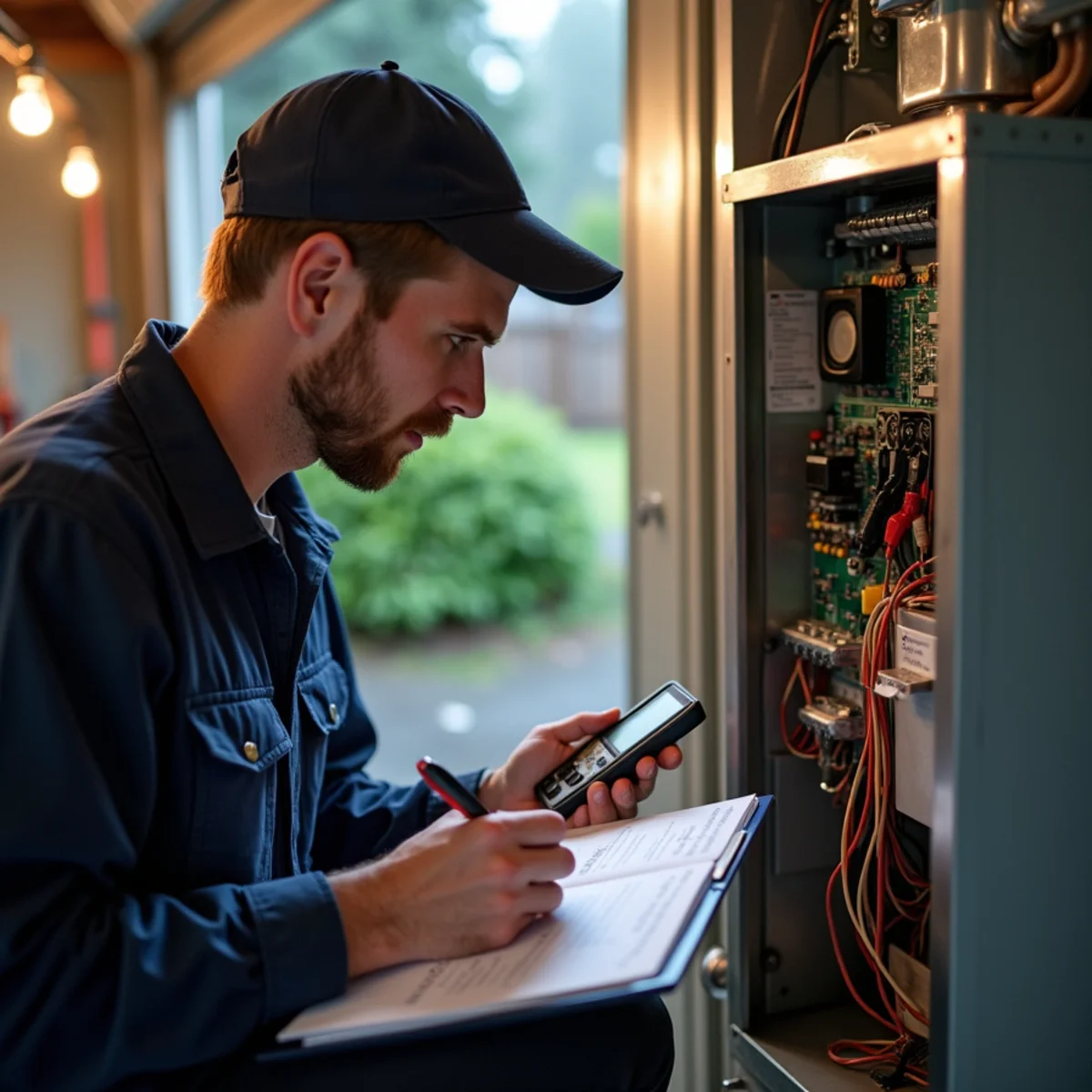
Most furnace repairs start with a diagnostic call. A good technician runs the furnace through its sequence of operation and watches each step: the thermostat call, the inducer start, the pressure switch closing, the igniter glowing, the gas valve opening, the flame sensor proving the flame, and the blower coming on.
Along the way they measure voltage and amp draw, check igniter resistance, read the flame signal in microamps, confirm gas pressure and temperature rise, and look at the heat exchanger and venting. Some contractors charge a separate diagnostic fee and some apply it toward the repair, so ask when you book, and expect to hear the full repair price before anything is replaced.
Smaller repairs vs bigger repairs
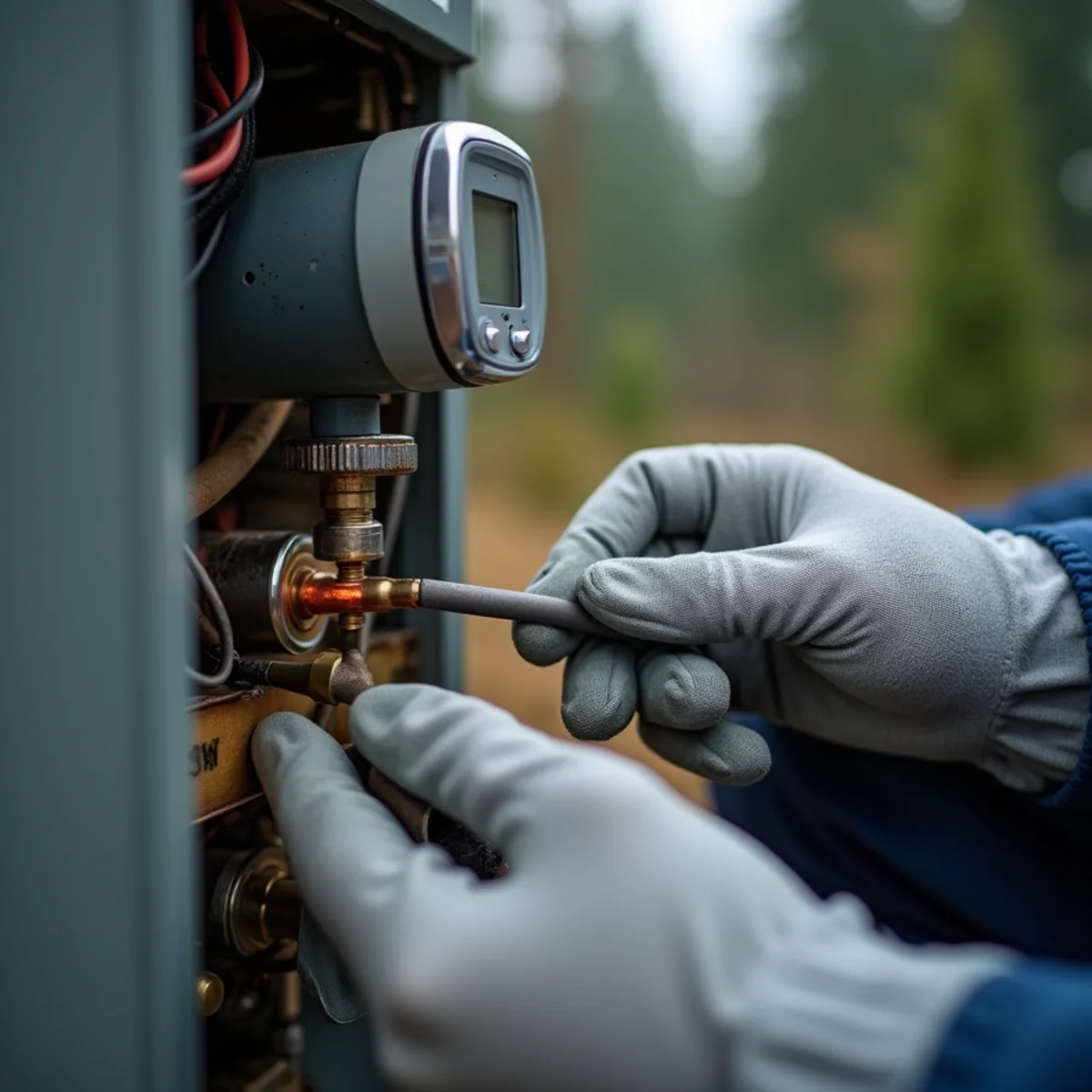
Repairs fall into rough tiers. Where yours lands depends on the part, brand and access, but the order holds for most furnaces.
Usually at the lower end
Cleaning a fouled flame sensor, clearing a clogged condensate trap, tightening loose wiring, replacing a blown low-voltage fuse on the control board, or fixing a thermostat wiring fault. These take little time and use inexpensive parts, so the diagnostic visit is often a large share of the total.
Usually in the middle
Replacing a hot surface igniter, a pressure switch, a limit switch, a blower run capacitor or a rollout switch. The parts cost more and the technician needs to confirm the underlying cause, such as a cracked pressure-switch hose or short cycling that wore out the igniter early.
Usually at the high end
Replacing an inducer motor, a blower motor (variable-speed ECM motors especially), a control board or a gas valve. A cracked heat exchanger sits at the very top, and on an older furnace it usually turns the conversation toward replacement, since the repair can rival a large share of the cost of a new unit.
What pushes the cost up in Lynnwood homes
The same failed part can cost noticeably more in some houses than others. These are the factors we hear about most often from contractors working the neighborhoods off 196th St SW, Alderwood Manor and the older streets of Edmonds:
- Attic and crawlspace installs. Many homes built in the 1970s put the furnace in a low attic or under the floor, and every trip up a ladder or on your belly adds labor time.
- Discontinued parts on 20- to 25-year-old units. Original control boards and inducers may no longer be made, so the technician fits a universal part with adapters or waits on a special order.
- Nights, weekends and holidays. After-hours rates are common, and cold snaps bring a spike in calls across south Snohomish County.
- Problems uncovered during the repair, such as a corroded vent connector, a damaged flue or wiring that has to be brought up to current code before the furnace can run safely.
- Several failures at once, where an aging furnace loses a capacitor and an igniter in the same week.
Owners of older homes in Edmonds, where many houses date from the same postwar and 1970s building waves, run into the same access and parts-age issues as Lynnwood. A typical call there is a 1990s crawlspace furnace whose original inducer is no longer stocked, which makes the repair slower and pricier than the part suggests.
How to compare two furnace repair quotes
If you get a second opinion, line the quotes up on the same points:
- Do both name the same failed part, and do they explain why it failed?
- Is the part from the furnace manufacturer or a universal replacement?
- Are labor, parts and any trip or diagnostic charges all included?
- What warranty does the contractor offer on its labor, and what does the part manufacturer cover?
- Is the contractor registered? You can confirm through Washington L&I's contractor lookup.
A cheaper quote that ignores why the part failed often means a second visit. Every HVAC contractor we send is registered with Washington L&I, licensed where Washington requires it, and insured.
Repair or replace: rules of thumb that work without dollar figures
Two simple tests help. The first is the 50 percent rule: if a single repair costs more than about half of what a comparable new furnace would cost, and the furnace is well into the back half of its life, replacement usually makes more sense. The second multiplies the furnace's age in years by the repair quote. If that product is larger than the price of a new system, lean toward replacing.
Age and efficiency matter too. Gas furnaces commonly last somewhere around 15 to 20 years or more with care, and an older mid-efficiency 80 percent AFUE unit sends a fifth of its fuel up the flue, where a modern condensing furnace wastes far less. A cracked heat exchanger on a furnace past 15 years is almost always a replacement. If you are weighing a new furnace or a heat pump, our HVAC installation and replacement service can line up quotes, and our guide to heat pump rebates in Snohomish County covers the incentives.
Expert insight: when a cracked heat exchanger call deserves a second look
One diagnosis changes the cost conversation more than any other: a cracked heat exchanger. A real crack can let combustion gases mix with the air in your home, so it is a legitimate reason to shut a furnace down. It is also the diagnosis most often used to push a replacement, so it is fair to ask for proof before you accept it.
Proof looks like a photo or camera image of the crack itself, carbon monoxide readings taken in the supply air or the flue, and an explanation of where the crack is and why it matters. Surface rust or discoloration alone is not a crack. If the evidence is thin and the furnace is otherwise sound, a second opinion is reasonable and worth the second diagnostic visit. If the evidence is clear, especially on a furnace past 15 years, putting that money toward replacement usually beats repairing a heat exchanger.
| Furnace age | Small repair (sensor, igniter, capacitor) | Mid repair (inducer, blower motor, board) | Major repair (heat exchanger, gas valve on an old unit) |
|---|---|---|---|
| Under 10 years | Repair | Repair, and check the warranty | Repair if under warranty; get a second opinion |
| 10 to 15 years | Repair | Usually repair | Compare against a replacement quote |
| 15 to 20 years | Repair | Weigh the 50 percent rule | Usually replace |
| 20 years and up | Repair if it buys a season | Lean toward replacement | Replace |
Get a price before any work starts
Whether the fix is a flame sensor or a control board, the process is the same: a technician diagnoses the furnace, explains what failed, and gives you the price before work starts. Alderwood Heat & Cool Pros answers 24/7 and dispatches the nearest available contractor for furnace repair in Lynnwood, Edmonds and nearby cities. How soon someone arrives depends on the roads and the night, so you get an honest time estimate on the phone. Call (321) 478-0693.
Frequently asked questions
Do I pay for the diagnostic visit if I decide not to repair?
Usually, yes. Diagnosing a furnace takes a technician's time, test equipment and a trip to your home, so most contractors charge for the visit even if you choose not to go ahead. Many explain the diagnostic charge when you book, and some credit it toward the repair if you approve the work. Ask about both when you call, so the only number you see later is the repair price, given before any work starts.
Is furnace repair more expensive at night or on a weekend?
Often it is. Many contractors charge an after-hours rate for nights, weekends and holidays, because those calls pull technicians away from home during peak demand. If the house is holding a safe temperature and nobody vulnerable is inside, booking a weekday slot can lower the bill. During a cold snap, or with infants or older adults at home, waiting rarely makes sense. Either way, you hear the price before work starts.
Will a manufacturer warranty cover my furnace repair?
Sometimes, partly. Manufacturer warranties typically cover certain parts for a set number of years, often longer when the furnace was registered after installation, but they generally do not cover the labor to diagnose and install the part. Have the model and serial number ready when you call, and ask the technician to check warranty status. Home warranty plans are separate contracts with their own rules, so read yours before scheduling.
Still have a question, or need help right now?